You’re walking through Ebisu or maybe wandering the backstreets near Ueno, and you see it. A pair of jeans that doesn't just look "premium"—it looks alive. If you've spent any time researching Japanese denim, you know the name. Betty Smith. But here’s the thing: most people think you have to trek all the way to Kojima, the "Jeans Capital" in Okayama, just to get the real experience. Honestly? That's not true anymore. While the brand’s soul is definitely in the countryside, the Betty Smith jeans Tokyo presence has turned into something of a cult phenomenon for people who want high-end craftsmanship without the three-hour bullet train ride.
Japanese denim is a rabbit hole. It’s deep. It’s expensive. And sometimes, it’s incredibly stiff and uncomfortable. Betty Smith is different. Founded back in 1962, they were actually the first to make jeans specifically for women in Japan, though they’ve since mastered the art for everyone. When you walk into their Tokyo locations, like the custom order salon in Ebisu, you aren't just buying pants. You’re basically entering a laboratory where the goal is to make your legs look better than they ever have.
What Most People Get Wrong About Betty Smith
A lot of tourists and even local denim heads think Betty Smith is just another "heritage" brand obsessed with making heavy, sandpaper-like selvedge denim that takes three years to break in. That’s a total misconception. While they respect the history, Betty Smith is actually famous for making denim that feels wearable from day one. They were pioneers of the "eco-jeans" movement, using leftover scraps to make smaller goods, which is why you see those cute little denim pouches and keychain bears all over their shops.
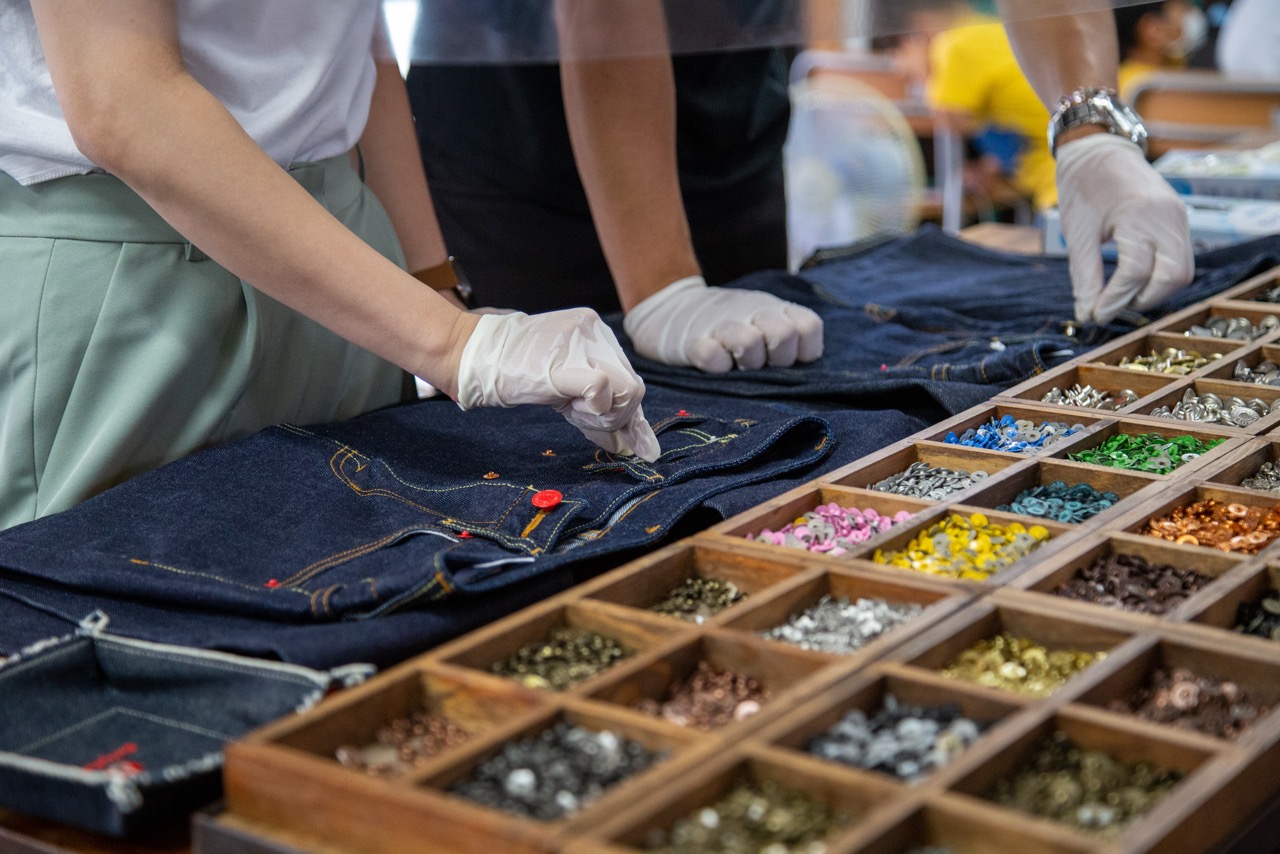
In Tokyo, the vibe is more "tailor-made" than "factory floor." Most people assume they can just walk in, grab a pair of jeans, and leave. You can, sure. But you’re missing the point. The real magic of seeking out Betty Smith jeans Tokyo is the customization. We’re talking about choosing your own buttons, rivets, and even the color of the thread for the stitching. It's a level of personalization that makes a $200 pair of jeans feel like a bargain.
Actually, let's talk about that price for a second. In a world where some "artisanal" brands charge $500 for a pair of raw denim jeans that won't even bend at the knee, Betty Smith stays surprisingly grounded. You’re paying for the Kojima pedigree, but you aren't paying a "Tokyo luxury tax" just because the shop is in a trendy neighborhood.
The Ebisu Custom Order Salon: A Different Kind of Shopping
If you're looking for the flagship experience in the city, the Betty Smith jeans Tokyo Custom Order Salon in Ebisu is the spot. It's tucked away. It’s quiet. It feels like a secret.
Here’s how it works. You don’t just browse racks. You sit down. You talk. The staff there are basically denim professors. They’ll look at how you stand, how you move, and what kind of "fade" you’re looking for. Do you want that deep indigo that turns electric blue over time? Or are you more into a pre-washed, soft feel?
- The Fit Check: They have "master" pairs you try on to find your base size.
- The Details: This is where people go crazy. You pick the patch on the back—leather, cloth, vintage-style. You pick the rivets. Want copper? Silver? They have it.
- The Stitching: You can choose a contrasting orange thread or something subtle that matches the denim.
- The Wait: Since it's custom, it’s not instant gratification. They send the specs back to the Kojima factory.
It takes about a month. Maybe more if they're slammed. But when that package arrives at your hotel or your home, it's a completely different feeling than buying something off a shelf at a department store.
Why Kojima Matters in the Middle of Tokyo
You might wonder why you wouldn't just go to a big chain like Uniqlo or even a higher-end spot like Edwin. It comes down to the "Kojima" label. In Japan, Kojima is to jeans what Champagne is to sparkling wine. It’s the birthplace of Japanese denim. By bringing that specific expertise to Tokyo, Betty Smith bridges the gap between rural craftsmanship and urban style.
The fabric used in Betty Smith jeans Tokyo collections often utilizes old-school shuttle looms. These machines are slow. They're loud. They're temperamental. But they create a texture—often called "slub"—that modern machines just can't replicate. It has character. It has "soul." When you wear them, you can feel the slight irregularities in the weave. That’s not a defect; it’s the whole point.
The "Jeans Making Experience" vs. The Salon
Something you'll see mentioned a lot is the "Jeans Making Experience." Now, if you go to the Kojima headquarters, you can actually sit at a machine and help put the jeans together. In Tokyo, it's usually more focused on the ordering and customization side of things. However, they sometimes run pop-ups or special events where you can hammer in your own rivets.
If you see one of these events advertised, go. Seriously. There is something incredibly satisfying about physically hammering a metal rivet into a piece of heavy-duty denim. It makes you realize how much work goes into a single pair of pants.
What to Look for in the Fabric
When you’re browsing Betty Smith jeans Tokyo stock, pay attention to the weight. It's measured in ounces.
- 12oz - 13.5oz: This is the sweet spot. It’s sturdy but won't make you sweat through your shirt in the humid Tokyo summer.
- 15oz and above: This is "heavyweight" territory. It’s for the purists. It takes longer to break in, but the fades—those white lines that appear where the fabric creases—are much sharper.
Honestly, if it's your first pair, go with the standard weight. You want to actually wear them, not keep them in a closet because they're too stiff to sit down in.
Common Mistakes When Buying Japanese Denim
I’ve seen it a hundred times. Someone buys a pair of raw denim jeans, goes home, washes them in hot water, and suddenly they have denim leggings that don't fit.
First: Shrinkage. If you're buying "unsanforized" denim, it will shrink. Usually about one or two sizes. The experts at the Betty Smith Tokyo shops will warn you about this, but listen to them. If they tell you to buy a size up, buy a size up.
Second: The Bleed. Indigo is a living dye. It wants to go everywhere. If you wear your new Betty Smiths with white sneakers on a rainy day in Shibuya, your sneakers will be blue by the end of the night. It’s part of the charm, but it’s a shock if you aren't expecting it.
Third: The "No Wash" Myth. You’ll hear people say you should never wash your jeans. That’s kind of gross, honestly. While you should wait as long as possible for the first wash to set the creases, eventually, you need to clean them. Just use cold water and hang them to dry. Never, ever put them in a dryer. The heat will ruin the fibers and mess up the fit you worked so hard to get.
Sustainable Denim? It’s Not Just Marketing
Betty Smith was talking about sustainability long before it was a buzzword. Because they have their own factory in Okayama, they see the waste that happens in the garment industry. They started the "Eco-Betty" line to use up the leftover fabric.
In the Tokyo shops, you'll see these items. They’re great for gifts. Instead of a generic souvenir from a tourist trap, you’re getting a piece of Japanese textile history made from the offcuts of some of the best denim in the world. It’s smart, it’s functional, and it’s actually responsible.
The Evolution of the Women's Line
Since they started as a women’s brand, Betty Smith understands proportions in a way that some of the more "masculine" heritage brands don't. A lot of Japanese denim brands focus on a very boxy, 1950s Americana fit. That’s cool if you’re trying to look like James Dean, but it doesn't work for everyone.
The women's cuts in the Betty Smith jeans Tokyo inventory are legendary. They manage to use high-quality, authentic denim but cut it in a way that actually flatters a human body. They have "stretch" versions that don't look like cheap leggings—they look like real jeans but actually allow you to breathe.
Where to Find Them (The Logistics)
You won't find Betty Smith on every street corner. They aren't trying to be Gap.
- Ebisu Custom Order Salon: This is the big one. You usually need an appointment for a full custom fit, so check their website or call ahead.
- Select Shops: Various high-end boutiques in areas like Daikanyama or Ginza carry their ready-to-wear lines.
- The Concept Stores: Keep an eye out for "Betty’s Store." These are more casual and have a wider range of the Eco-Betty goods.
If you’re just visiting, the Ebisu spot is the most "Tokyo" experience. It’s sophisticated, slightly hidden, and very high-touch. It’s the opposite of the fast-fashion madness you find in Harajuku.
Real Talk: Is it Worth the Price?
You're looking at spending anywhere from 15,000 to 40,000 yen (roughly $100 to $270 depending on the exchange rate and customization).
Is it worth it?
If you’re the type of person who buys a new pair of $60 jeans every six months because the crotch blows out or the shape gets weird, then yes. A pair of Betty Smiths will last you years. Decades, if you treat them right. The cost per wear ends up being pennies.
Plus, there is the "story" factor. When someone asks where you got those jeans, "I had them custom-made in a salon in Ebisu" sounds a lot better than "I got them at the mall."
Actionable Steps for Your Denim Search
If you're ready to dive into the world of Betty Smith jeans Tokyo, don't just wing it. Follow this plan to make sure you don't waste your money or your time.
- Check the Calendar: If you want the full custom experience, book your appointment at the Ebisu salon at least two weeks before you arrive in Tokyo.
- Wear Your Favorite Shoes: When they hem your jeans, they need to know where the fabric should hit. If you usually wear boots, don't show up in flip-flops.
- Know Your Style: Browse their Instagram or catalog beforehand. Do you like a "tapered" look or a "straight" leg? Having a general idea saves a lot of time in the chair.
- Budget for Shipping: If you aren't staying in Japan for a month, they can ship the finished product to your home country. It’s an extra cost, but it’s better than leaving empty-handed.
- Start Small: Not ready for the full custom commitment? Buy an Eco-Betty pouch or a pair of their "ready-made" selvedge jeans first. See how the fabric feels.
Japanese denim is an investment in your wardrobe and a nod to a craft that is slowly disappearing. Betty Smith manages to keep that craft alive while making it accessible to people who live in the city, not just those who can spend a weekend in Okayama. Whether you're a hardcore collector or just someone who wants a pair of pants that actually fits, the Tokyo shops are the best place to start.
The next time you're in Ebisu, look for the sign. It might be the last pair of jeans you ever need to buy. Or, more likely, it’ll be the start of a very expensive obsession. Either way, you’ll look great.