Ever tried calling someone in Phoenix only to realize you’re an hour late—or somehow an hour early? It’s a classic mess. Most people think they understand time zones, but then they hit the Arizona wall.
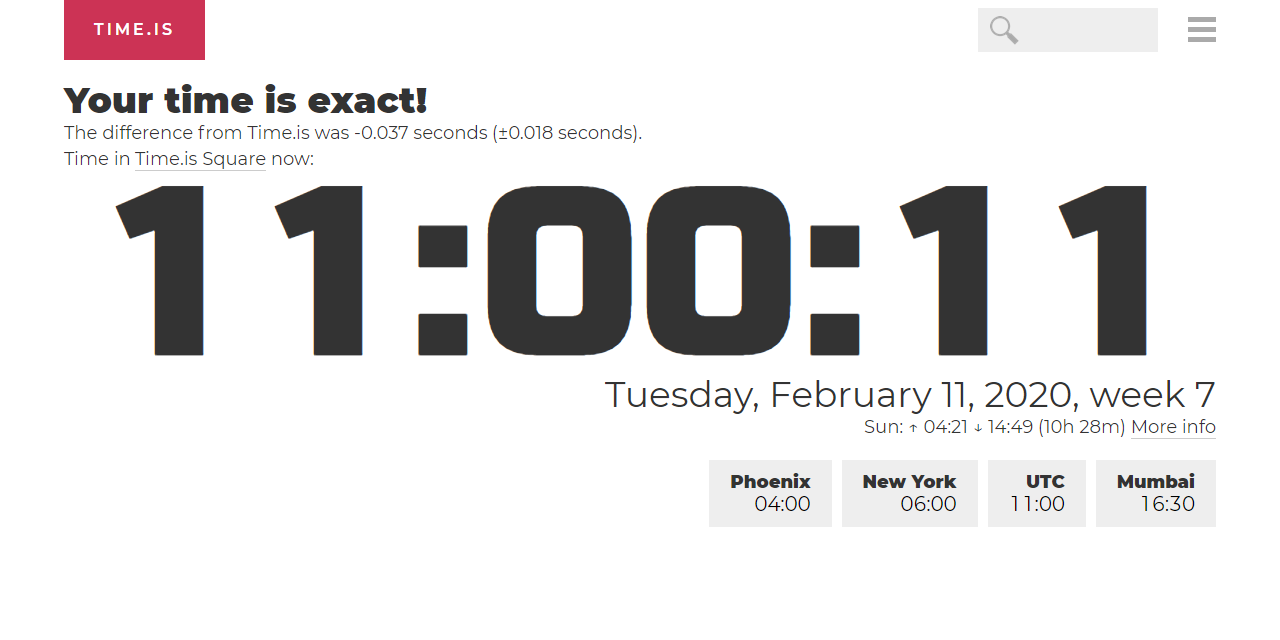
Right now, if you are looking at your phone on Tuesday, January 13, 2026, the current time in US Arizona is operating on Mountain Standard Time (MST). It’s exactly 3:26 AM.
Because it's January, Arizona is currently synced up with Denver and Salt Lake City. But don't get comfortable. That's going to change in a few months, and that’s where the headache starts for basically everyone else in the country.
Why Arizona Refuses to Change Its Clocks
Arizona is the rebel of the lower 48. Since 1968, the state has mostly ignored the "spring forward" and "fall back" ritual that plagues the rest of the United States.
Why? It’s honestly about the heat.
Imagine it’s 115°F in July. If Arizona shifted its clocks for Daylight Saving Time (DST), the sun wouldn't set until nearly 9:00 PM. That is an extra hour of blistering desert heat beating down on houses, skyrocketing AC bills, and making it impossible for kids to play outside before bedtime. By staying on Standard Time, the state ensures the sun goes down "earlier" relative to the clock, providing a tiny bit of relief.
The decision wasn't just a whim. It was a calculated move by the Arizona Legislature (specifically Senate Bill 1 in 1968) to protect the lifestyle of people living in one of the hottest climates on Earth.
The Navajo Nation Exception
Here is where it gets weird. Really weird.
While the state of Arizona doesn't observe DST, the Navajo Nation, which covers a massive chunk of the northeast corner of the state, does observe it.
If you drive from Flagstaff (Standard Time) to Window Rock (Daylight Time) in the summer, you lose an hour.
Wait, it gets better. The Hopi Reservation is completely surrounded by the Navajo Nation. But the Hopi follow Arizona’s lead and don't observe DST.
If you were to drive a straight line across the northeastern part of the state in July, you could literally change your watch half a dozen times in a single afternoon. It's a logistical nightmare for deliveries, doctors' appointments, and anyone trying to catch a bus.
Current Time in US Arizona vs. The Rest of the World
Because Arizona stays still while everyone else moves, its relationship with other time zones shifts twice a year.
- In the Winter (Now): Arizona is on Mountain Standard Time (MST). It is the same time as New Mexico, Colorado, and Utah.
- In the Summer: When the rest of the Mountain Zone moves to Daylight Time, Arizona effectively stays put. This means for half the year, Phoenix and Tucson are actually on the same time as Los Angeles and Las Vegas (Pacific Daylight Time).
Basically, Arizona is a "chameleon" time zone. It doesn't move, but the neighbors do, making it feel like Arizona is hopping between the Pacific and Mountain zones.
Planning Your Schedule in 2026
If you’re doing business or traveling here this year, mark your calendar for March 8, 2026.
That’s when most of the US will "spring forward." Arizona won’t.
If you have a recurring Zoom call with someone in New York, your 9:00 AM meeting will suddenly feel like it’s at 8:00 AM. It’s the kind of thing that makes people miss flights and skip breakfast.
Most digital devices—iPhones, Androids, Windows laptops—are pretty smart about this now. They use the America/Phoenix IANA time zone database entry. As long as your settings are on "Set Automatically," your phone should stay on the correct current time in US Arizona without you touching a thing. But if you’re using an old-school wall clock or a microwave, you’re the one who has to remember not to change it.
The Practical Impact of Being Different
You might think an hour doesn't matter much. Tell that to a broadcast TV programmer or a sports bar owner.
When Monday Night Football starts at 6:30 PM in the winter but 5:30 PM in the fall because of a time shift elsewhere, it messes with foot traffic. Local news stations have to juggle their entire evening lineups twice a year just to keep up with national network feeds.
Quick Tips for Dealing with Arizona Time:
- Check the Date: If it’s between the second Sunday in March and the first Sunday in November, Arizona is the same as California.
- Verify the Location: Double-check if your destination is on Navajo land. Places like Antelope Canyon or Monument Valley might be an hour ahead of Phoenix during the summer.
- Trust the "Phoenix" Setting: When setting a world clock on your phone, always search for "Phoenix" specifically rather than just "Mountain Time."
Staying on one time year-round might seem like a quirk, but for those of us living through the desert summers, it's a survival tactic. It keeps the lights off and the AC down just a little bit longer.
To keep your schedule straight, the best thing you can do is sync your digital calendars to a specific city like Phoenix or Tucson. This avoids the "Mountain Time" label which often defaults to Denver's jumping clock. If you are planning a trip to the Navajo Nation or the Grand Canyon area this summer, call your tour operator specifically to ask which time they operate on—it's the only way to be 100% sure you won't show up an hour late to your own vacation.