On New Year’s Eve 2017, Ciara Estrada was glowing. She wore a floor-length, sparkling dress, her hair styled in soft waves, and fake diamonds catching the light in her ears. She was 25 years old and had her whole life ahead of her. She spent the evening at a party at the Hilton Hotel in San Diego, smiling for photos with her boyfriend, Eric Hansen.
Both were San Diego police officers. They looked like the perfect couple.
But by the next afternoon, Ciara Estrada police officer was dead. Her fellow officers found her on her bathroom floor, still in that sparkling gown, with a single bullet wound between her eyes. Her service weapon was resting in her lap.
The San Diego Police Department (SDPD) moved fast. Almost immediately, they ruled it a suicide. Case closed. Or so they thought.
Why the Ciara Estrada Case is Seeing a Resurgence in 2026
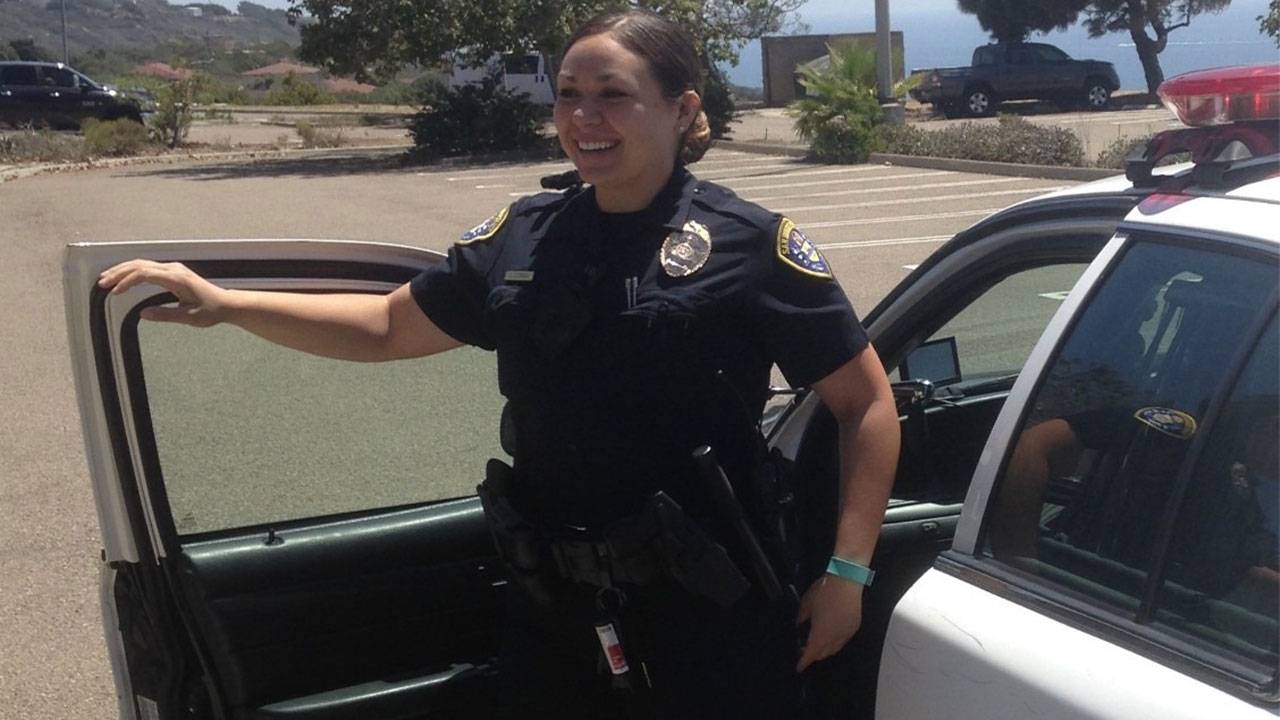
You might be wondering why a case from 2018 is suddenly all over your feed again. Honestly, it’s because the silence finally broke. For years, the public only knew Ciara as the "Nice Cop." She had gone viral in 2016 after a video showed her treating a panhandler with incredible respect—a rare moment of humanity that captured millions of views.
When she died, there were no headlines. No major news reports. It was like she just vanished.
In late 2025 and early 2026, a new investigative podcast titled One of Their Own by KPBS reporter Katie Hyson brought the details back into the light. It turns out, Ciara’s family never believed the suicide narrative. They’ve been fighting for transparency for nearly eight years, and the details coming out now are, frankly, pretty haunting.
The Red Flags the Department Missed
When the police investigate "one of their own," things get messy. It’s human nature, right? You want to protect your friends. But in this case, the family argues that loyalty replaced logic.
Here is what was found at the scene:
- Ciara was still in her formal dress.
- Her beagle, Trevor, was found locked in his crate. Her family says she never would have left him in there after coming home; she always took him out immediately.
- The bullet wound was "between the eyes." Statistically, that is an extremely rare location for a self-inflicted wound.
- A fired casing was still lodged inside the gun.
- Soot was found on a finger of each hand.
The SDPD homicide team was sent to the apartment specifically to "conduct a suicide investigation." Think about that for a second. They didn't go in to find out what happened; they went in to confirm a theory they already had. They didn't even check for fingerprints. The box on the official form asking why fingerprints weren't taken? Left completely blank.
The Complicated Relationship at the Center
Kinda makes you wonder about the boyfriend, doesn't it? Eric Hansen was also an SDPD officer.
The couple had reportedly been in a fight the night she died. In the podcast and through family statements, it's been revealed that the relationship was "dysfunctional" and "unhealthy." Her mother, Julie Estrada, has been vocal about the fact that Ciara didn't have a history of mental health struggles or suicidal tendencies.
There's a specific kind of "blue silence" that happens in departments. When two officers are involved in a domestic situation, the department often looks the other way. Internal documents and texts reviewed in the new investigation suggest that the lines between love, power, and loyalty were blurred long before that New Year's Eve party.
What Most People Get Wrong About the Investigation
People assume that because no one was arrested, there was no evidence of foul play. But the reality is more about the lack of investigation. Paul Parker, a former Chief Deputy Director of the LA County Medical Examiner’s Department, reviewed the case files recently. His take? The investigation was handled as a suicide from the jump, which means they didn't look for anything that might contradict that.
If you don't look for fingerprints, you won't find them. If you don't interview neighbors thoroughly because you've already decided what happened, you'll miss the person who might have heard a struggle. One neighbor said he didn't hear anything, but the apartment was right next to the 8 freeway and trolley tracks. A gunshot could easily be mistaken for a New Year's firework.
The Legacy of the "Nice Cop"
Ciara wasn't just a badge. She was the mediator of her family. She was the girl who would stay up all night just to keep her sister company. Before she was an officer, she was a standout on the San Diego State University rowing team. She was a daughter, a sister, and a friend.
The fact that her viral video—the one where she was praised for being "Finally, a NICE cop"—received more media attention than her suspicious death is a tough pill to swallow. It says a lot about what we value in the news cycle. We love a feel-good story, but we’re often too uncomfortable to look at the dark side of the institutions that provide them.
What Happens Next?
The fight for Ciara Estrada police officer isn't just about one woman anymore. It's about how police departments across the country handle internal deaths. In 2026, new laws regarding transparency in law enforcement investigations are finally starting to provide the Estrada family with the documents they were denied for years.
If you want to support the ongoing push for accountability, here is what you can actually do:
- Listen to the source material. The One of Their Own podcast from KPBS contains the actual interviews with the family and the experts who have seen the files.
- Support independent journalism. Cases like this only stay alive because of reporters who refuse to let them go.
- Question the narrative. When a high-profile case is closed within 24 hours without a forensic deep-dive, it deserves a second look.
Ciara's story is a reminder that behind every viral video is a real person with a complex life. Her family isn't looking for a "win"—they're just looking for the truth that was buried in the rush to close a file.