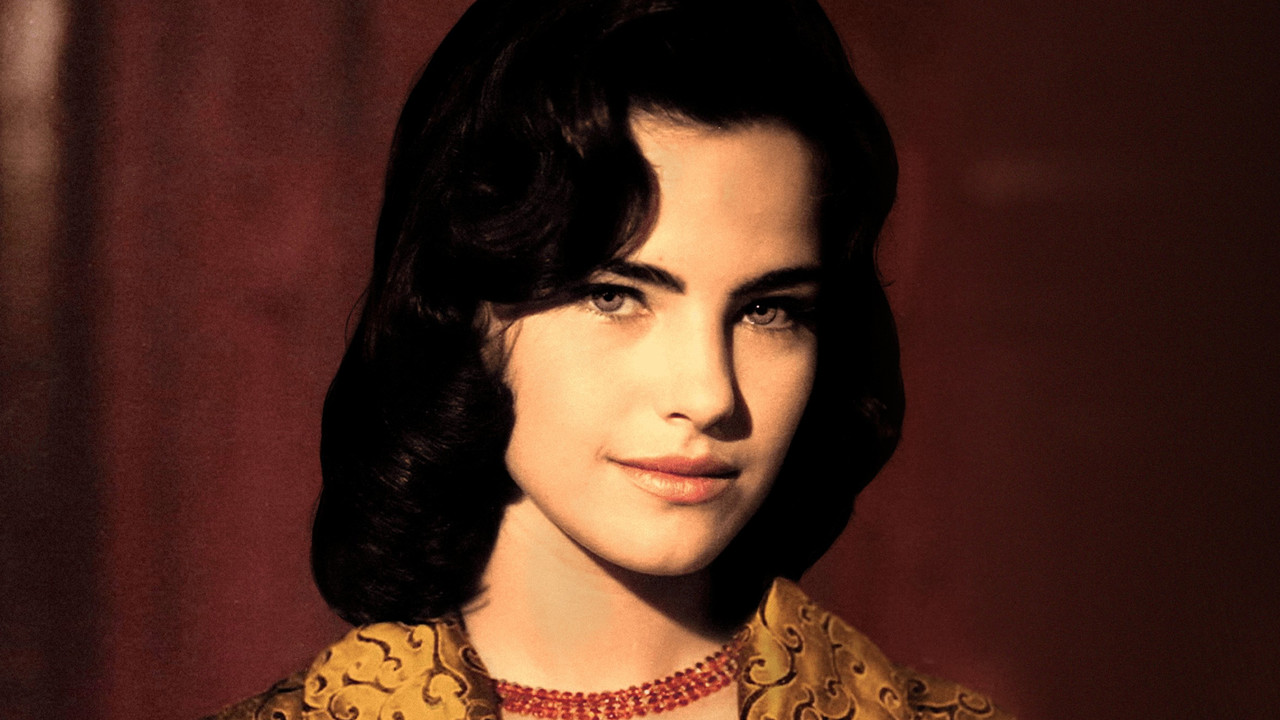
It is weird how a 1998 Brazilian miniseries suddenly became the biggest thing on TikTok in the mid-2020s. Honestly, if you’ve seen the clips of the high-society girl turned prostitute and the young, bowl-cut friar, you get it. The cast of Hilda Furacão didn't just play roles; they created this electric, suffocating tension that somehow translates perfectly to a 15-second smartphone screen.
The show, based on Roberto Drummond's semi-autobiographical novel, thrives on a simple but brutal premise. Hilda Gualtieri Müller, a blue-blooded bride-to-be, ditches her wedding to live in a brothel. Then there’s Malthus, a "saintly" young man whose mission is to exorcise her but, predictably, ends up losing his mind over her. It’s classic. It’s messy. And the actors behind it became icons for a reason.
The Iconic Leads: Ana Paula Arósio and Rodrigo Santoro
You can't talk about the show without talking about the chemistry. It’s the kind of chemistry that feels almost dangerous to watch.
Ana Paula Arósio was already a star, but as Hilda, she became a legend. She has this "old Hollywood" face—think Elizabeth Taylor but with a fierce Brazilian edge. In 1998, she was actually under contract with a rival network (SBT), but Rede Globo wanted her so badly for this role that they negotiated a special deal just to get her.
As Hilda, she pivots from innocent socialite to the "Hurricane" of Belo Horizonte's red-light district with a terrifying amount of grace. She portrays Hilda not as a victim, but as someone who reclaimed her own body by giving it to everyone except the man her family chose.
Then you have Rodrigo Santoro as Frei Malthus. Before he was Xerxes in 300 or the handsome guy in Love Actually, he was the "Santo" of Santana dos Ferros. Santoro’s performance is all about the eyes. He plays Malthus with this repressed, twitchy energy. You can literally see the moment his faith starts to crumble every time Hilda walks into a room.
The fun fact? Santoro actually lost about 24 pounds (11 kg) for the role to look more like a disciplined, fasting ascetic. That’s dedication for a 32-episode miniseries.
The Supporting Cast of Hilda Furacão: More Than Just Background
While everyone focuses on the leads, the supporting players are what give the show its soul. The "Bohemian Zone" of the 1950s felt lived-in because of these actors.
- Danton Mello (Roberto Drummond): He’s the narrator and our eyes into the story. Roberto is the idealist, the guy trying to navigate a changing Brazil while watching his best friend fall for the town’s most wanted woman.
- Matheus Nachtergaele (Cintura Fina): If you want a masterclass in acting, look at Cintura Fina. Playing a queer character in a 1998 production set in the 50s could have been a caricature, but Nachtergaele made him tough, vulnerable, and deeply human. He’s the heart of the "Red Light" district.
- Thiago Lacerda (Aramel): This was basically Lacerda's breakout. He played Aramel "The Beautiful," a guy obsessed with Hollywood and learning English so he could escape his life.
- Rosi Campos (Maria Tomba-Homem): She’s the protector of the girls, a woman who literally "knocks men down" (hence the name). Her friendship with Hilda is one of the most underrated parts of the script.
- Paulo Autran (Padre Nelson): A titan of Brazilian theater. He played the mentor who was perhaps a little too obsessed with Malthus's soul, adding a layer of psychological complexity that feels very "prestige TV" before that was even a term.
Why the Casting Worked (and Why It Still Hits)
The director, Wolf Maya, took a huge gamble on young actors. Most of the main trio—Arósio, Santoro, and Lacerda—were in their early 20s. They were basically the "Gen Z" of the late 90s, and that youthful energy made the rebellion against the conservative 1950s society feel authentic.
It wasn't just about pretty faces. The show dealt with the 1964 military coup and the clash between the Catholic Church and the Communist Party. The cast had to handle heavy political subtext while looking like they stepped out of a perfume ad.
Actually, many people don't realize that Mário Lago, who played Olavo, was a real-life political activist who had been arrested multiple times during the actual period the show depicts. Having him on set was like having a living history book for the younger actors.
Where Are They Now?
Checking in on the cast in 2026 is a bit of a mixed bag.
Rodrigo Santoro is, well, Rodrigo Santoro. He’s one of the few Brazilian actors who successfully transitioned to global stardom without losing his roots. He’s still working constantly, most recently appearing in projects like Wolf Pack and the third season of Good Morning, Verônica. He’s aged like fine wine, though he’s thankfully ditched the Malthus bowl cut.
Ana Paula Arósio is the mystery. She basically walked away from fame at the height of her career. Around 2010, she moved to a farm, started breeding horses, and eventually moved to the countryside in England. She rarely gives interviews and almost never acts anymore. That reclusiveness has only made the "Hilda" legacy stronger—she’s like a ghost that only appears on our screens when we hit "play" on Globoplay.
Matheus Nachtergaele remains one of Brazil's most respected actors, often taking on gritty, complex roles in cinema. Danton Mello is a staple of Brazilian television, constantly appearing in telenovelas and hosting shows.
The 2026 Perspective: Why You Should Care
If you're just discovering the cast of Hilda Furacão through a "shipping" edit on social media, you're only seeing the surface. The real magic is in the nuance. It’s a story about how we try to box people into categories—saint, sinner, hero, traitor—and how those boxes always break.
Watching it today, the production values hold up surprisingly well. The fashion is incredible, the cinematography in the town of Tiradentes (which stood in for the fictional Santana dos Ferros) is moody, and the acting is top-tier.
Actionable Insights for Fans:
- Watch the full series: Don't just stick to TikTok clips. The full 32 episodes are usually available on Globoplay (or through various international distributors). It’s a much more political and darker show than the romance edits suggest.
- Read the book: Roberto Drummond's prose is electric. It gives you a lot more insight into Roberto's character and the "real" Hilda.
- Look for "Mulher": If you're desperate for more Arósio/Santoro chemistry, they appeared together in an episode of the series Mulher in late 1998. It’s basically the only other time they shared the screen as leads.
- Follow the legacy: Keep an eye out for news regarding the rumored reboot or stage play adaptations. While replacing the original cast is basically impossible, the story is timeless enough that new versions are always in the works.
The brilliance of the original cast is that they captured a very specific moment in Brazilian history and a very universal feeling of forbidden desire. Whether it's 1998 or 2026, the sight of Hilda Gualtieri Müller walking through the rain toward a confused young friar is always going to be iconic.