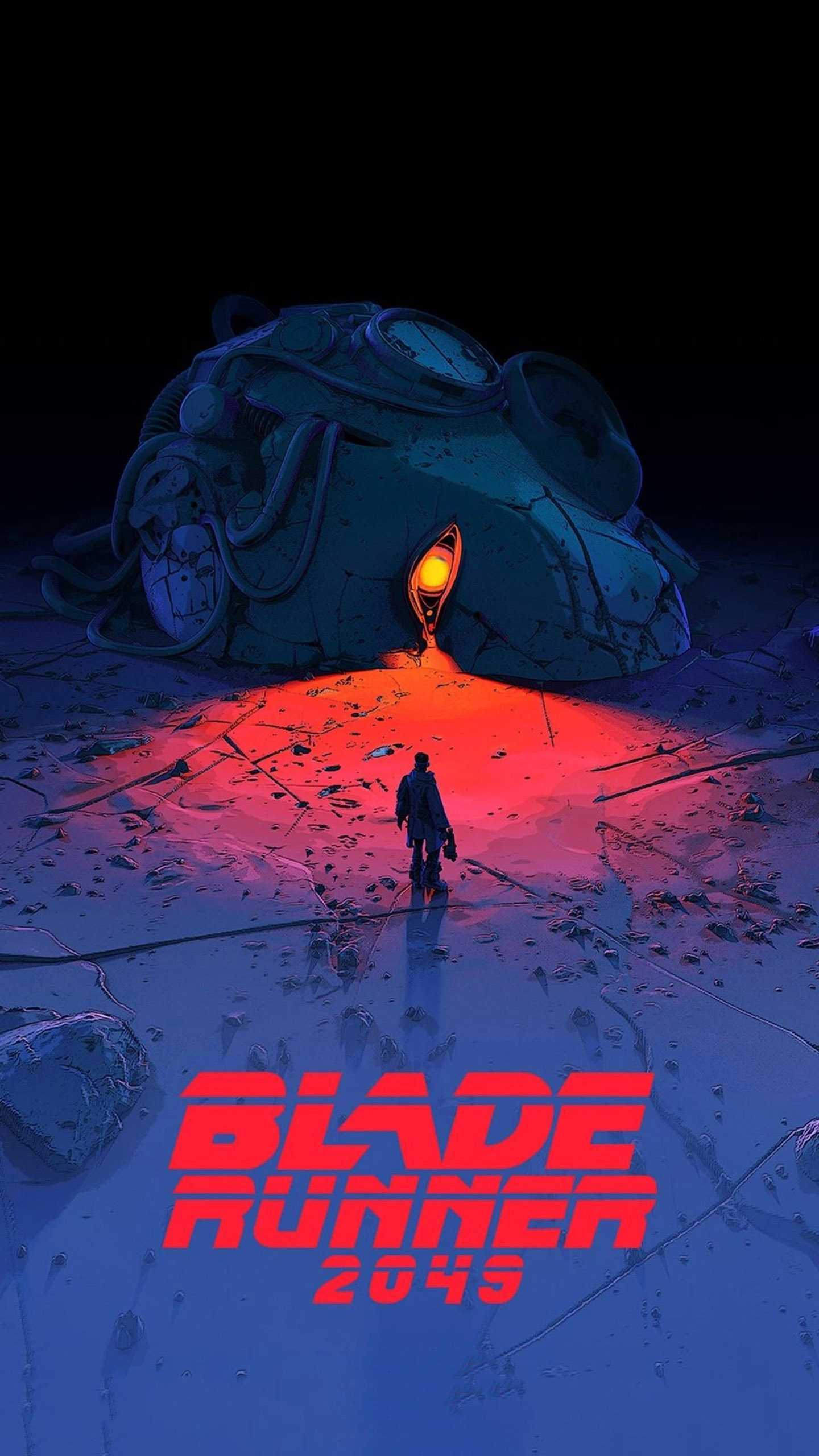
Look, let’s be real for a second. Denis Villeneuve is a visual genius, but his movies aren't exactly "family-friendly" in the traditional sense. If you’re pulling up a Blade Runner 2049 parents guide because you’re wondering if your thirteen-year-old can handle the neon-soaked existential dread of Los Angeles 2049, the answer isn’t a simple yes or no. It’s complicated. This movie is a slow burn. It’s a massive, three-hour-long meditation on what it means to be human, and it’s rated R for very specific reasons.
Most parents see "sci-fi" and think Star Wars or Marvel. This isn't that. It’s a noir. It’s gritty. It’s often uncomfortably quiet.
The Violence is Brutal, Not Cartoonish
Unlike the high-flying action of a superhero flick, the violence in Blade Runner 2049 feels heavy. It leaves a mark. Ryan Gosling’s character, K, gets put through the absolute ringer. We’re talking about hand-to-hand combat that sounds like bones breaking because, well, that’s what’s happening.
There’s a scene early on where a character is "retired"—that’s the movie’s polite way of saying killed—and it’s messy. It’s not just about the blood, though there is some. It’s the clinical, cold nature of the killing. One specific moment involves a character named Luv, played with a terrifying stillness by Sylvia Hoeks. She performs an act of violence while getting a manicure. It’s unsettling. It’s not meant to be "cool" action; it’s meant to show how cheap life has become in this future.
You should also keep an eye out for the "birth" scene. It’s a replicant being born into a bag, dropped onto a floor, and then dealt with in a way that is frankly heartbreaking and visually jarring. If your kid is sensitive to themes of child endangerment or cold-blooded executions, this might be a tough watch.
Let's Talk About the Nudity and Sexual Content
This is usually where the Blade Runner 2049 parents guide searchers get the most nervous. This movie has a lot of "casual" nudity. It’s not always sexualized, but it’s there. Since the world is filled with holograms and advertisements, you’ll see giant, towering naked women used as billboards. It’s a commentary on the objectification of bodies, but to a younger viewer, it’s just a massive naked lady on the screen.
Then there’s the "threesome" scene. It’s technically a scene between K, his holographic girlfriend Joi, and a replicant named Mariette. It’s stylized. It’s strange. It’s innovative filmmaking, honestly, but it’s definitely sexual. You don't see everything—it’s not pornography—but the intimacy is palpable. It lingers.
There’s also a scene in a sort of "pleasure district" where the background is filled with suggestive imagery. It’s atmospheric. It’s gross. It’s meant to make you feel like the world has lost its soul.
The Psychological Weight of the Story
Honestly? The gore and the skin aren't the biggest hurdles for most kids. It’s the tone. This movie is bleak. It’s a story about a man who discovers he might not be special, or maybe he is, and then has to deal with the crushing weight of that reality. It deals with abandonment, the idea of "manufactured" souls, and the total collapse of the environment.
The pacing is glacial. Seriously. If your teen needs a jump-scare or an explosion every ten minutes to stay engaged, they will be bored out of their minds by the second hour. Blade Runner 2049 demands patience. It’s a movie that asks questions like: Does having a memory make you real? Is a digital consciousness capable of love?
Quick Breakdown of the Content
- Language: It’s an R-rated movie, so expect the "F-word" to pop up. It’s not used constantly like a Scorsese movie, but it’s there when the tension peaks.
- Smoking/Drinking: K drinks a fair amount of whiskey. It’s that classic noir trope. It’s not glamorized, but it’s frequent.
- Visuals: Some images are haunting. Dead trees, barren wastelands, and a massive, orange-tinted Las Vegas filled with suggestive statues.
Why Some Parents Might Actually Say Yes
Despite the R rating, many parents find this movie more "appropriate" than a PG-13 slasher flick. Why? Because it’s intelligent. It respects the audience. If you have a teenager who is into photography, philosophy, or storytelling, this is a masterclass. Roger Deakins won an Oscar for the cinematography for a reason. Every frame is a painting.
It’s a movie that sparks conversation. You can talk about the ethics of AI—something that feels way more relevant in 2026 than it did when the movie came out in 2017. You can discuss the environmental messaging. You can talk about what it means to sacrifice yourself for a cause you believe in.
Practical Advice for the Living Room
If you’re on the fence, do a "test watch" of the first 20 minutes alone. If the opening fight between K and Sapper Morton (Dave Bautista) feels too intense, shut it off. That scene sets the tone for the rest of the film's violence.
Also, consider the runtime. Two hours and forty-four minutes is a long time to sit still. If you’re watching at home, plan for a halftime break. It helps to digest the heavy themes.
Actionable Steps for Parents
- Check Common Sense Media: They provide a minute-by-minute breakdown if you’re worried about specific triggers.
- Watch the Prequel Shorts: There are three short films on YouTube (2036: Nexus Dawn, 2048: Nowhere to Run, and Black Out 2022) that provide context. They are also mature, so screen them first.
- Discuss the Concept of "Replicants": Before starting, make sure your kid understands that some characters are bio-engineered humans. It makes the "violence against robots" feel more like "violence against people," which is a crucial distinction for younger viewers to grasp.
- Turn Up the Sound: Hans Zimmer and Benjamin Wallfisch’s score is half the experience. If you’re going to watch it, watch it with good speakers or headphones.
Ultimately, you know your kid best. If they can handle the dark, brooding atmosphere of a film like The Batman (2022), they might be ready for this. If they’re still sensitive to intense imagery or slow-moving plots, maybe wait a couple of years. There's no rush to see a masterpiece, and it'll still be just as impactful when they're sixteen as it would be now.