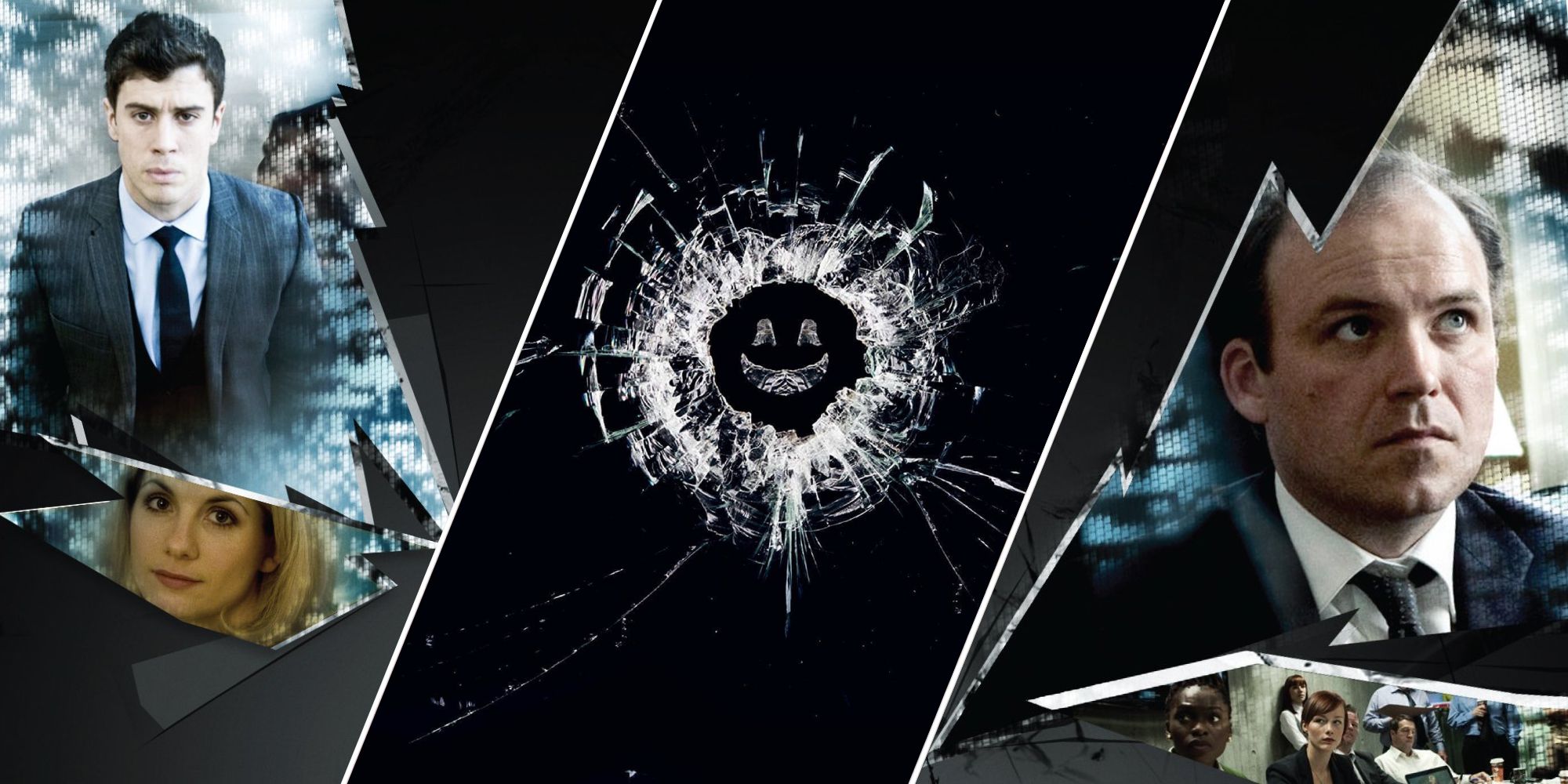
It started with a pig. Honestly, if you were there in 2011 when Black Mirror first crawled onto Channel 4 in the UK, you remember the collective "what did I just watch?" that rippled across the internet. Black Mirror The National Anthem wasn't just a pilot; it was a threat.
Charlie Brooker didn't ease us in with robots or VR headsets. No. He gave us a prime minister, a beloved princess, and a very specific, very graphic demand involving livestock. It was a hell of a way to start a series.
The Ransom No One Saw Coming
The setup is deceptively simple. Princess Susannah—think a modern, TikTok-era Princess Di—is kidnapped. The kidnapper doesn't want money. He doesn't want political prisoners released. He wants Prime Minister Michael Callow to have sex with a pig. On live TV. At 4:00 PM.
It’s absurd. It’s gross.
But here’s the thing: Brooker plays it completely straight. Rory Kinnear, who plays Callow, delivers a performance that is legitimately heartbreaking. You see the sweat, the bile, the sheer terror of a man losing his soul in real-time. This isn't a comedy, even though the premise sounds like a pub joke gone wrong.
Why didn't they just say no?
That’s the question everyone asks. "In real life, he’d never do it." Maybe. But the episode tracks the shift in public opinion with terrifying accuracy. At first, the public is supportive. They're horrified! They're on his side!
Then the "fakeness" fails. A plan to use a body double with a green-screen head (played by a porn star named Rod Senseless) gets leaked on Twitter. The kidnapper responds by sending a severed finger to a news station.
Suddenly, the mood shifts. The public goes from "poor Callow" to "save the princess, you coward." It’s the first real look at how social media acts as a digital mob.
The Twist We All Missed Because We Were Watching
The most gut-punching part of Black Mirror The National Anthem isn't the act itself. It’s the ending.
While the entire world was glued to their screens, watching a man be systematically destroyed for "entertainment," the princess was already free. The kidnapper, a Turner Prize-winning artist named Carlton Bloom, released her 30 minutes before the broadcast even started.
She was wandering the Millennium Bridge in London.
Nobody noticed.
The streets were empty. The police were in the control room. The public was in the pubs, staring at the monitors. We were so obsessed with the spectacle—the "black mirror" of our screens—that we missed the actual human being we were supposedly trying to save.
Bloom’s "art" wasn't the pig. It was us.
The Weird Reality of #Piggate
You can’t talk about this episode without mentioning David Cameron. In 2015, four years after the episode aired, allegations surfaced in an unauthorized biography that the former British PM had... well, let's just say he had a "close encounter" with a dead pig’s head during an Oxford initiation ritual.
Brooker’s phone blew up. People thought he was a psychic.
"I did genuinely for a moment wonder if reality was a simulation," Brooker told The Guardian. He hadn't heard the rumors; he just thought of the most humiliating thing a politician could do. The fact that life imitated art so specifically is probably the most Black Mirror thing to ever happen in the real world.
What We Get Wrong About the "Message"
Most people think the episode is about how "technology is bad." That’s a surface-level take.
- It’s about complicity. We are the audience in the pub. If nobody tuned in, the kidnapper’s plan would have failed.
- It’s about the erosion of leadership. Callow doesn't do it because he wants to; he does it because the polls tell him he has to. He is a slave to the "trending" tab.
- It’s about the cost of "the win." A year later, Callow’s approval ratings are up. He’s a hero. But his wife won't speak to him. He’s a shell.
Take Action: How to Watch Without Losing Your Mind
If you're revisiting Black Mirror The National Anthem or showing it to a friend for the first time, keep these points in mind to actually appreciate the craft behind the shock:
- Watch the background characters. The journalists at UKN (the fictional news site) represent the ethics we lose when chasing a "viral" story. Notice how they prioritize the "get" over the person.
- Look for the silence. The most powerful moments aren't the shouting matches. It’s the quiet after the broadcast when the streets are still empty.
- Check the release time. Pay attention to the timestamp on the princess’s release versus the start of the broadcast. It changes the entire meaning of the episode.
This isn't just a story about a pig. It's a story about what we're willing to watch, and more importantly, what we're willing to ignore while we're watching it.
Next time you find yourself doom-scrolling through a public scandal, remember Michael Callow. The screen isn't just showing you the news; it's reflecting your own curiosity back at you.
To see how this theme evolves, you should compare this pilot to the Season 3 episode "Shut Up and Dance," which takes the idea of digital blackmail and pushes it into an even darker, more personal territory without the political safety net.