If you grew up in the early 2000s, you probably have a visceral reaction to the sound of War’s "Low Rider." For most, it’s nostalgia. For George Lopez—the character and the man—it was the backdrop to a complicated, hilarious, and often heartbreaking relationship with his mother. Benita Lopez, played with legendary sharpness by Belita Moreno, wasn't your typical sitcom grandma. She didn't bake cookies. She didn't give warm hugs. Instead, she gave us a masterclass in the "toxic but relatable" family dynamic that turned a standard multi-cam sitcom into a cultural touchstone.
Honestly, she was a menace.
Benita was the heavy-drinking, gambling, insult-slinging matriarch who lived in the guest house and made it her mission to keep George’s ego in check. But to dismiss her as just a "mean mom" misses the entire point of why the show worked. She was the anchor. Without Benita, George is just a successful guy with a nice family. With her, he’s a survivor.
The Woman We Loved to Hate: Who Was Benita Lopez?
Belita Moreno didn't just play the mom from George Lopez; she inhabited a very specific archetype of the Mexican-American experience that hadn't been seen on mainstream TV before. Benita was gritty. She was a product of a tough life, working at the Powers and Sons aviation factory for decades.
Her character was defined by a specific brand of cynicism. You remember the laugh? That raspy, chain-smoker cackle she’d let out after delivering a devastating insult? It was iconic. She was the queen of the "burn." Whether she was mocking George’s weight, his parenting, or his hairline, she did it with a surgical precision that felt real.
But there’s a layer of tragedy here.
Benita was a pathological liar. One of the show’s longest-running arcs involved the mystery of George’s father. For years, she told him his father was a brave man who died under heroic or tragic circumstances. In reality? Manny Lopez was alive, and Benita had simply cut him out. This wasn't just a sitcom trope; it was a depiction of "parental alienation" and the generational trauma often found in families where secrets are used as currency.
Why Benita Broke the Sitcom Mold
Think about the other moms on TV at the time. You had the sweet, slightly frazzled moms like in According to Jim or the overbearing but well-meaning mothers in Everybody Loves Raymond. Benita Lopez was different. She was genuinely selfish. She would steal money, lie about her health to get attention, and actively sabotage George’s happiness if it meant she stayed comfortable.
It was risky.
The writers, including George Lopez himself and co-creator Bruce Helford, understood that for the show to have "soul," the antagonist had to be someone George couldn't just walk away from. You can fire a boss. You can break up with a girlfriend. You can’t stop being the son of Benita Lopez.
That’s where the humor lived. It was a coping mechanism.
The Physicality of the Role
Belita Moreno’s performance is often underrated in the broader "Prestige TV" conversation. She used her height—or lack thereof—to great effect. She would square up to George, who towered over her, and she never blinked. The wardrobe was also a character in itself: those sensible factory jackets, the polyester slacks, and the hair that looked like it had survived a light electrical storm. She looked like someone who had worked 40 years on an assembly line because, in the show's lore, she had.
The "Manny" Lie: A Turning Point in TV Drama
One of the most intense moments in the series occurs when George finally discovers the truth about his father. This is where the mom from George Lopez stops being a caricature and becomes a deeply flawed human being.
When George finds out his father, Manny (played by the incredible Robert Beltran), is actually a wealthy businessman who wants nothing to do with him, the betrayal is twofold. He’s mad at the father who left, but he’s devastated by the mother who lied about it for thirty years.
Benita’s defense was always that she was "protecting" him. But as the audience saw, she was mostly protecting herself from the shame of being rejected. This nuance is why the show has stayed popular on Peacock and in syndication. It’s not just jokes; it’s a study of a man trying to be a better father than the mother he had.
The Real-Life Inspiration
Is Benita based on a real person?
Mostly, yes. George Lopez has been very open about his upbringing in Mission Hills. He was raised by his maternal grandmother, Enedina, and his grandfather, Francisco. In his stand-up specials like Why You Crying?, he paints a picture of a childhood that was far from the "Leave It to Beaver" ideal.
The real-life "Benita" was his grandmother.
He described her as cold and emotionally distant. In his memoir, he talks about how she would tell him "don't cry" (hence the special's title) because crying was a sign of weakness. When you watch Benita on screen, you're seeing a stylized version of George’s actual trauma. It’s a form of therapy. By making the world laugh at his "mom," he took the power back from the woman who actually raised him.
Breaking Down the Dynamic: George vs. Benita
Their relationship was built on a series of repetitive, yet fascinating, power plays.
- The Guilt Trip: Benita was a black belt in making George feel like he owed her his life for the bare minimum of parenting.
- The Enabler: Surprisingly, she often got along better with Angie’s wealthy parents or the neighborhood kids than she did with George. It was a way to poke him.
- The Vulnerability: Occasionally—maybe once a season—the mask would slip. You’d see Benita actually care. Those moments were earned. They weren't cheap.
I remember an episode where George is worried about his health, and for a split second, you see the genuine terror in Benita’s eyes. She realized that if George went, her entire world collapsed. Not just her financial support, but her only connection to the world. She wasn't just a parasite; she was a woman who didn't know how to love without barbs.
The Cultural Impact of the "Abuela" Figure
While she was his mom on the show, she functioned as the "Abuela" to Max and Carmen. This created a weird friction. She was often "cooler" to the grandkids because she didn't have the responsibility of raising them. She’d let them eat junk or watch things they shouldn't.
For many Latino viewers, this was a mirror. The "tough love" grandmother is a staple in many immigrant households. Benita represented a generation that didn't have the luxury of "gentle parenting." They were focused on survival, which often left them with a hard exterior that was impossible to crack.
Why We Still Talk About Benita Lopez in 2026
The show ended its original run in 2007, but the memes are eternal.
You’ve seen them. The "Benita stare." The clips of her saying "I'm a bad mother!" with zero sincerity. The reason she resonates today is that we’ve moved into an era where we talk openly about "no-contact" relationships and setting boundaries with parents. Benita Lopez is the ultimate "boundary tester."
Watching the show today, it’s almost a horror-comedy. You watch George try to set a rule, and you watch Benita steamroll over it with a beer in her hand. It’s funny because it’s true, but it’s also a reminder of how far we’ve come in understanding family mental health.
The Belita Moreno Factor
It’s worth noting that Belita Moreno is actually a highly trained actress with a background in theater. She was a favorite of director Robert Altman, appearing in films like A Wedding and 3 Women. Her ability to take a character that could have been a one-dimensional villain and give her a soul is the reason the show lasted six seasons.
She also played the character of Edwina DuMay in the earlier seasons of the show—a different role entirely—before the producers realized she was the only one who could go toe-to-toe with George as his mother.
The Lessons We Learned from the Mom on George Lopez
So, what’s the takeaway from years of watching Benita torture George?
- Resilience is a double-edged sword. Benita’s toughness helped her survive a factory life and a failed marriage, but it also made her incapable of true intimacy with her son.
- Forgiveness isn't always about the other person. George often forgave Benita not because she deserved it, but because he needed peace.
- Humor heals. By turning the insults into punchlines, the show taught an entire generation how to deal with difficult family members without losing their minds.
If you’re revisiting the series now, pay attention to the silence. Some of the best "Benita moments" aren't her yelling. They’re the looks she gives George when he’s finally standing up for himself. There’s a flicker of pride there, hidden under layers of cigarette smoke and stubbornness.
Moving Forward: How to Revisit the Series
If you want to understand the full arc of the mom from George Lopez, you can't just watch random episodes. You have to see the progression.
- Start with the pilot. See how she’s established as the "nuisance" in the guest house.
- Watch the "Manny" arc. This is usually found in the middle seasons (specifically Season 3 and 4). It’s the emotional core of the series.
- Look for the factory strike episodes. These show Benita in her element—a leader among workers, even if she was a terror at home.
Benita Lopez remains one of the most honest portrayals of a parent ever put on a sitcom. She wasn't a "TV mom." She was a real mom—messy, mean, hilarious, and ultimately, unforgettable.
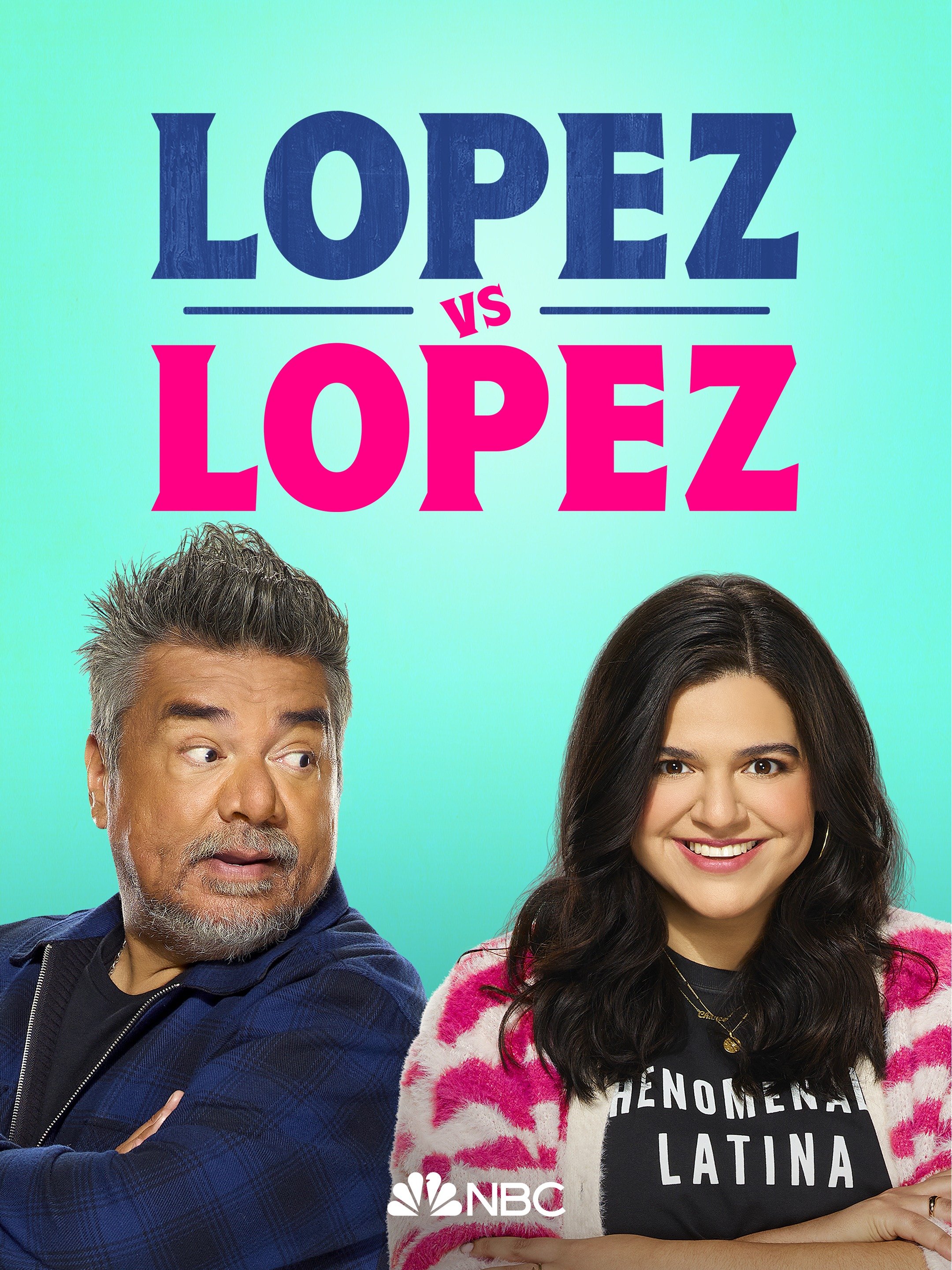
To dive deeper into the legacy of the show, your best bet is to check out George Lopez’s more recent projects like Lopez vs. Lopez, where he explores similar themes with his real-life daughter, Mayan. It’s a fascinating look at how the trauma portrayed by Benita has evolved into a new generation of storytelling. You can find the original series streaming on various platforms to see the "mother of all sitcom villains" in action for yourself.