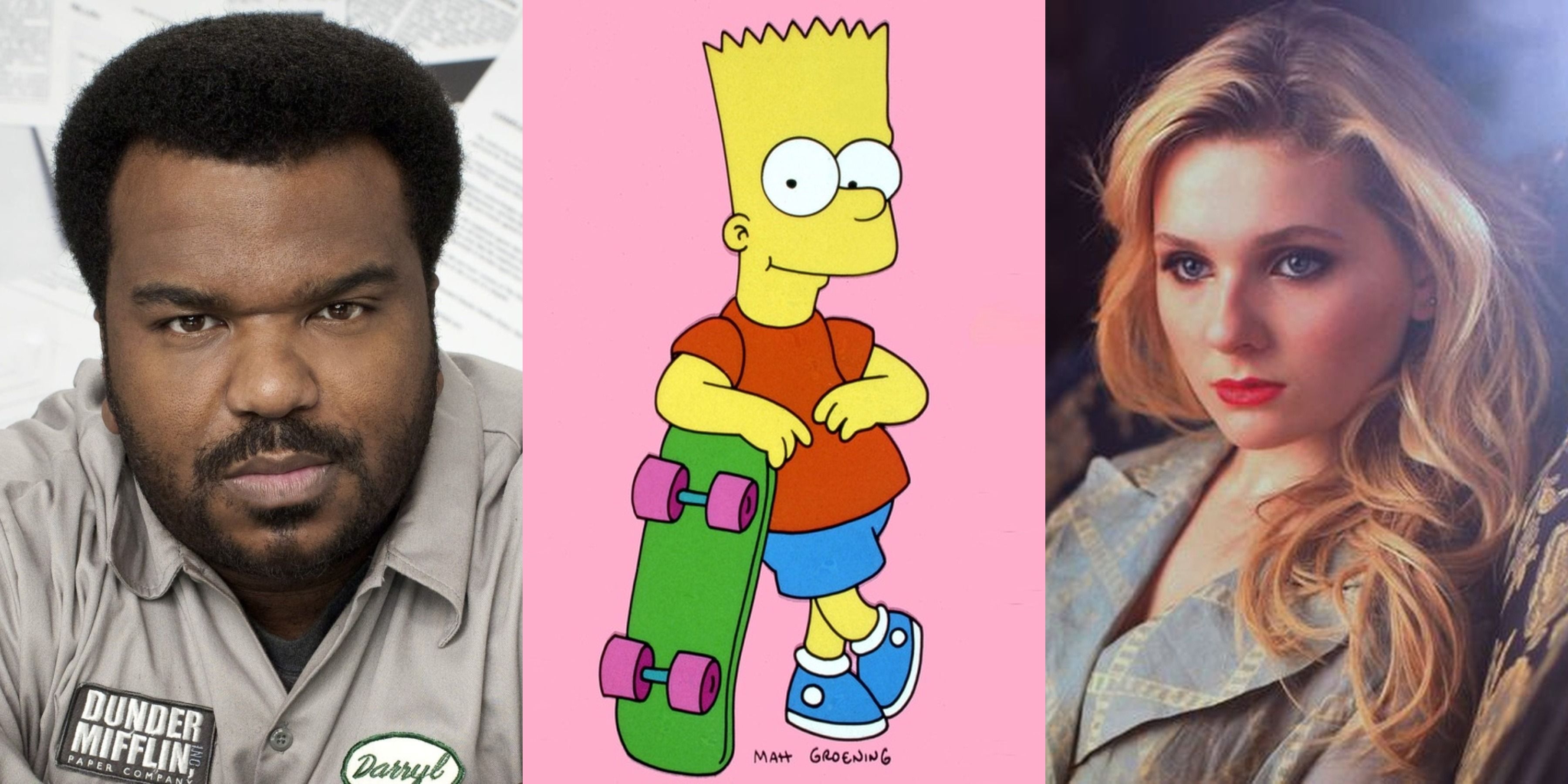
Ever wonder what Bart Simpson would actually look like if he walked into a Starbucks? Not the weird CGI renders that haunt the corner of YouTube, but the literal, flesh-and-blood inspiration for the kid who basically broke the 1990s.
It's a trip.
Most people think Bart is just a generic "brat" archetype. An anagram for "brat," right? Matt Groening confirmed that years ago. But the reality of Bart Simpson in real life is a messy, fascinating cocktail of Groening’s own family trauma, a legendary street photographer, and a very specific brand of 1950s sitcom rebellion.
The "Real" Bart Wasn't a Cartoon
If you want to find the biological blueprint for Bart, you have to look at Mark Groening. He's Matt’s older brother. Matt has gone on record saying Mark was the primary inspiration for the character’s defiant attitude.
While Matt was more of a Milhouse—existential angst and all—Mark was the one bringing home Mad Magazine and Tales From the Crypt. He was the one pushing the boundaries of what a "good kid" was supposed to do in suburban Oregon.
But there’s a darker layer to the visual of Bart that most fans miss.
The Diane Arbus Connection
There is a famous 1962 photograph by Diane Arbus titled Child with Toy Hand Grenade in Central Park. If you look at it, you’ll see a skinny kid with a manic, rigid expression, clutching a plastic grenade.
His face? It's pure Bart.
The kid in the photo was Colin Wood. In 2025, retrospective pieces on the show’s origins highlighted how this image—captured during a moment of Wood’s own childhood exasperation following his parents' divorce—informed the "mobile and hostile" energy Groening wanted for Bart. Wood later described himself in that moment as "exploding." That’s the soul of Bart Simpson. It’s not just "being bad." It’s a specific kind of lonely, frantic energy.
When the Voice is a 60-Year-Old Woman
You can’t talk about Bart in the real world without talking about Nancy Cartwright. Honestly, it's still weird to see her do the voice in person.
She originally went in to audition for Lisa. Can you imagine?
She read the description for Bart—"devious, underachieving, school-hating, irreverent"—and told the producers she wanted to try that instead. She was hired on the spot.
Cartwright has lived as Bart for over three decades. She even sculpted a bronze statue of "Bartman" that sits in front of the News Corp building in New York. She’s the closest thing to a living, breathing Bart we’ll ever get. She once said she approaches every recording session with the same 10-year-old hype she had in 1987.
The Legal Chaos of "Real" Barts
Life is weird. Sometimes it's too on the nose.
In 2013, a man named Barton Simpson—yes, really—was arrested in the UK for carrying a prohibited firearm at an airport. It was an antique, but that’s not the crazy part.
The judge presiding over the case? Mr. Burns. Specifically, Judge Roger Burns. You literally couldn't write that. It sounds like a C-plot from Season 4. The "real life" Bart ended up getting 12 months of community service, which is a very Bart Simpson way to end a legal drama.
Why the Spikes Matter
When Groening was designing the family in the lobby of James L. Brooks’ office, he had one rule: they had to be recognizable in silhouette.
- The Hair: Bart has exactly nine spikes.
- The Color: Yellow was an animator's choice to catch people’s eyes while channel surfing.
- The Clothes: Red shirt, blue shorts. Simple.
In the real world, this simplicity made "Bartmania" a nightmare for schools. In the early 90s, shirts saying "Underachiever and Proud of It" were banned across America. Bill Cosby called him a "bad role model." Even President George H.W. Bush took a swing at the family.
Finding Bart in the Wild
If you’re looking for the "real" Bart Simpson today, you won’t find him in a mask at Universal Studios.
You find him in the "troubled" kid who is actually just bored. You find him in the subversive street art that the show inspired. The character was designed to be a mirror of the American "brat," but he ended up becoming a shield for kids who didn't fit the Leave It to Beaver mold.
Actionable Insights for Fans:
- Visit the Statue: If you're in NYC, go to the News Corp building. Check out Cartwright’s bronze Bartman. It’s a rare piece of "official" real-world Simpson history.
- Research the "Life in Hell" Comics: To see the raw, pre-TV version of Bart’s DNA, look up Matt Groening’s early work. It’s much darker and explains why Bart is the way he is.
- Look for the Silhouette: Next time you see a character design, check if it passes the "Groening Test." Can you tell who it is just by their shadow?
Bart isn't just a cartoon. He's a specific frequency of childhood rebellion that existed long before the show started—and will definitely keep going long after the final episode airs.
To really understand Bart in the real world, you have to look past the yellow skin and see the kid who's just "mobile and hostile with a smile on his face."
Next Step: You might want to explore the history of the "Banned Bart" T-shirts from the 1990s to see how a cartoon character actually changed school dress codes across the United States.