It was the cliffhanger that redefined a generation of comic book storytelling. For decades, the status quo of Marvel’s flagship hero relied on a single, fragile pillar: Aunt May could never, under any circumstances, know that her nephew was the wall-crawler. The drama was built on Peter Parker hiding blood-stained spandex in the laundry and making up increasingly absurd excuses for why he smelled like exhaust fumes and ozone. Then came The Amazing Spider-Man #35 (Vol. 2), written by J. Michael Straczynski. Peter, exhausted after a brutal fight with Morlun, falls asleep in his apartment. May walks in. She sees the costume. She sees the bruises.
The world stopped.
Most fans remember this as a singular event, but the history of Aunt May finds out Peter is Spider-Man is actually a messy, multi-versal, and deeply emotional web of "what ifs" and "almosts." It wasn't just a plot twist; it was the death of a tired trope. For years, writers treated May like she was made of glass. They feared the shock would kill her. Straczynski took a different path. He treated her like a human being with agency.
The "Coming Out" Parallel in Comics
When you look at the 2002 issue titled "The Conversation," it reads less like a superhero comic and more like a stage play. It’s quiet. It’s heavy. Peter is terrified. He expects her to be fragile, but May reveals a strength that many readers—and Peter himself—had underestimated. She’s angry, sure, but mostly because she felt left out of his life.
Think about the weight of that secret. Peter spent years lying to the only mother figure he had left. He thought he was protecting her, but in reality, he was isolating her. When Aunt May finds out Peter is Spider-Man in this specific run, the dialogue shifts the power dynamic. She admits she felt the laundry was too heavy, she noticed the odd hours, but she chose to trust him. It’s a masterclass in character development that transitioned May from a plot device into a co-conspirator.
Honestly, it’s the most "New York" reaction possible. She doesn't faint. She doesn't have a heart attack. She sits down, processes the insanity of her nephew fighting monsters, and then demands the truth. This was a massive departure from the 1960s Stan Lee and Steve Ditko era where May was perpetually one "shocker" away from a hospital bed.
The Movie Versions: From Shock to Silence
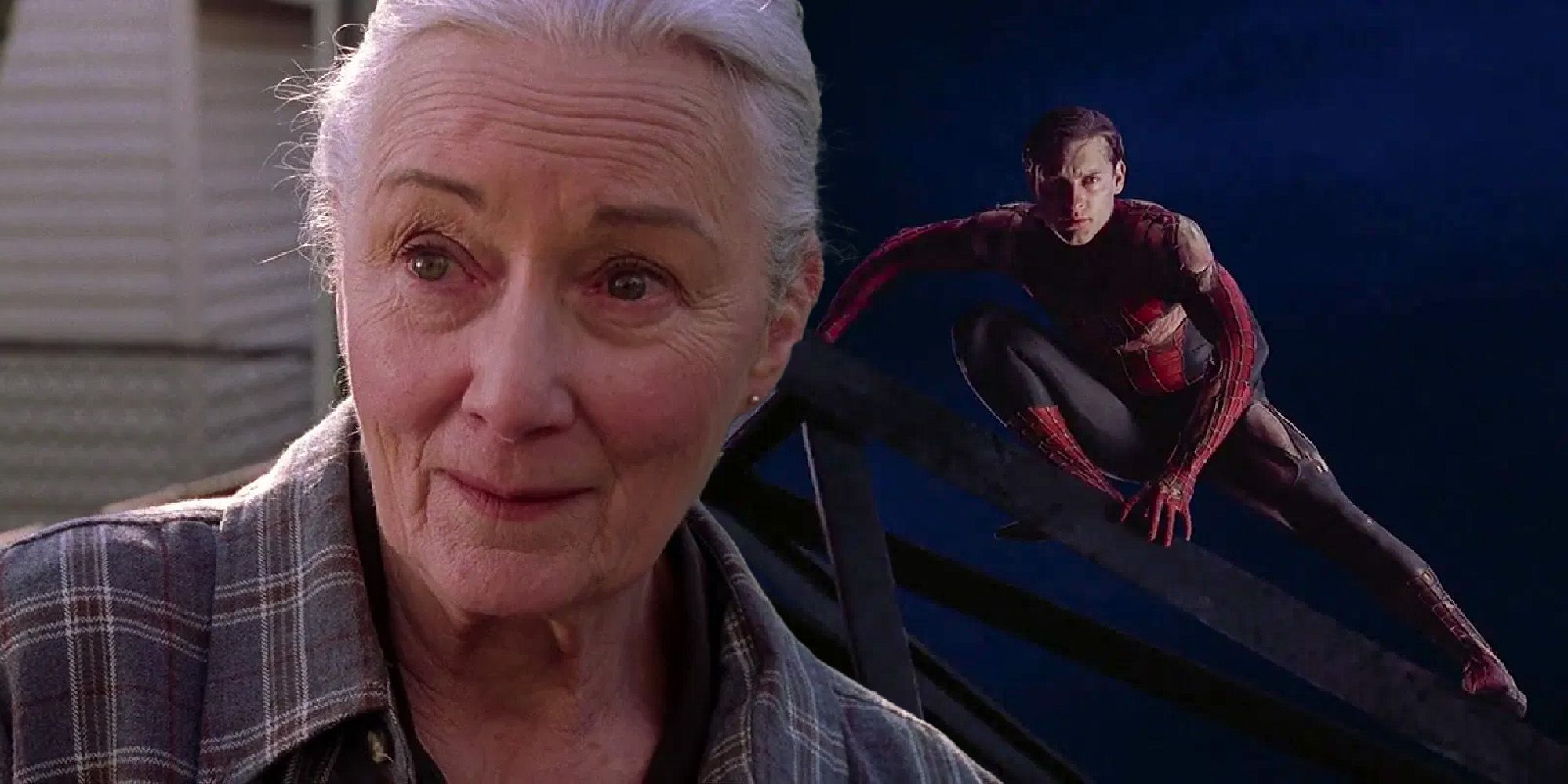
The big screen handled this very differently. Each iteration of the character reflects the era’s cinematic sensibilities. In Sam Raimi’s Spider-Man 2, there’s that beautiful, subtle scene where May (played by Rosemary Harris) gives Peter a speech about heroes. She never explicitly says "I know you're Spider-Man," but the subtext is screaming. She’s giving him permission to be the hero, even if it means he can't be "her" Peter all the time. It’s sophisticated. It’s understated.
Then we get the MCU.
Total 180. In Spider-Man: Homecoming, the moment Aunt May finds out Peter is Spider-Man is played for laughs. It’s the "What the—!" ending. Marisa Tomei’s May is younger, more vibrant, and arguably more observant. While the initial reveal was comedic, the payoff in No Way Home was devastating. By the time we get to the third film, she isn't just someone who knows his secret; she’s his moral compass. She’s the one who tells him that helping the villains is the right thing to do, even if it’s dangerous.
Compare that to the Andrew Garfield Amazing Spider-Man films. Sally Field’s May basically admits she knows in the second movie. She talks about how he comes home with "bruises and blood," and she knows he’s doing something important. It’s a common thread: May always knows more than she lets on. She's not stupid. You don't live with a teenager who regularly jumps out of windows without noticing something is up.
Why Writers Kept Taking the Secret Away
Here is where things get controversial for comic book purists. For years, the fact that May knew Peter’s secret was the best thing about the book. It allowed for a mature Peter Parker. But then came "One More Day."
Marvel’s editorial team felt Peter was getting too old. They wanted him back to being a struggling, single guy with a secret identity. So, they had Peter make a literal deal with the devil (Mephisto) to save May’s life. The price? His marriage to Mary Jane and the fact that the world—including May—knew his identity.
Basically, they hit a giant reset button.
It felt cheap. It was cheap. Most fans agree that erasing the moment Aunt May finds out Peter is Spider-Man was a massive step backward for the character's growth. It turned May back into the "clueless aunt" character, which felt regressive after the profound growth she’d shown. It took years for the comics to find a way to let her in on the secret again without it feeling like a repeat of the 2001 reveal.
The Psychological Impact on Peter
We talk a lot about May, but what about Peter? The moment his aunt finds out, his biggest source of guilt vanishes. Spider-Man’s entire motivation is "With Great Power Comes Great Responsibility," but that responsibility usually comes with a side of crushing loneliness.
When the secret is out, Peter stops being a liar.
He can finally talk about his day. He can explain why he’s bleeding. In many ways, the reveal is the ultimate "Uncle Ben" moment because it validates Peter’s choices through the eyes of the woman Ben loved. If May approves of Spider-Man, then Peter can finally forgive himself for the night he let that burglar go.
Variations of the Reveal
- The Ultimate Comics (Earth-1610): In this universe, Peter tells May because he can't handle the pressure. She kicks him out of the house initially. It’s raw and realistic. She’s terrified for his life, and her reaction is one of pure, parental fear.
- Spider-Man: Into the Spider-Verse: May is basically the "Q" to Peter’s James Bond. She has a secret underground lair and knows everything. This version of May is a fan favorite because she skips the "shock" phase and goes straight to being a badass tactical advisor.
- The 90s Animated Series: This show teased the reveal several times but never fully committed to it in the main continuity, keeping May in the dark to maintain the classic Saturday morning cartoon tension.
The Reality of Secret Identities in 2026
Looking at the current landscape of superhero media, the "secret identity" is becoming a relic. From Iron Man’s "I am Iron Man" to the way the MCU Spider-Man trilogy ended with everyone forgetting Peter Parker entirely, the tension of the secret is being replaced by the tension of the consequences.
When Aunt May finds out Peter is Spider-Man, it changes the stakes from "Will I get caught?" to "Can I keep her safe now that she knows?" It’s a much more interesting question. It moves the story from a teen comedy of errors to a high-stakes drama about the cost of heroism.
The trope of the "frail old woman" is dead. Modern interpretations of Aunt May show her as a community leader, a pillar of strength, and someone who is more than capable of handling the truth. She’s a New Yorker. She’s seen aliens invade Manhattan. Her nephew being a superhero is probably the least weird thing she’s seen in the last five years.
Moving Forward: Lessons from the Reveal
If you're a writer or a creator looking at how to handle a major character reveal, the Spider-Man/Aunt May dynamic offers some serious insights. You can't keep a character in the dark forever without making them look incompetent. At some point, the secret becomes a barrier to growth.
Don't be afraid to break the status quo. The best Spider-Man stories didn't happen because Peter kept a secret; they happened because of how he navigated the world once the secret was out. Whether it's the 616 comics or the MCU, the moment of discovery is always a catalyst for a deeper, more honest relationship.
Actionable Insights for Fans and Creators
If you are tracking the history of this reveal or writing your own character arcs, keep these points in mind:
- Context is King: A reveal in a comedic setting (like Homecoming) serves a different purpose than a reveal in a dramatic setting (The Conversation). Match the tone to the character’s journey.
- Respect the Supporting Cast: Don't make your non-powered characters look oblivious just to serve the plot. If the hero is messy, the people living with them will notice.
- Consequences Matter: The reveal shouldn't just be a "one-off" scene. It should fundamentally change how those two characters interact from that point forward.
- Avoid the Reset Button: Fans generally hate it when major character development is erased for the sake of returning to "basics." Growth is usually better than nostalgia.
The legacy of Aunt May discovering the truth is one of the most pivotal shifts in comic book history. It proved that you can change a 40-year-old formula and actually make it better. Peter Parker might be the one with the powers, but May Reilly Parker is often the one with the real strength.
To truly understand the depth of Peter Parker’s journey, one must look at his relationship with May not as a burden of secrecy, but as a partnership of survival. The moment she finds out isn't the end of the story—it's the beginning of Peter finally becoming an adult.
Check out the original The Amazing Spider-Man #35-38 (Vol. 2) to see the definitive version of this story. It’s widely available in trade paperbacks and digital platforms like Marvel Unlimited. Reading the dialogue between them in those issues provides a blueprint for how to write meaningful, character-driven reveals that stick with the audience for decades.