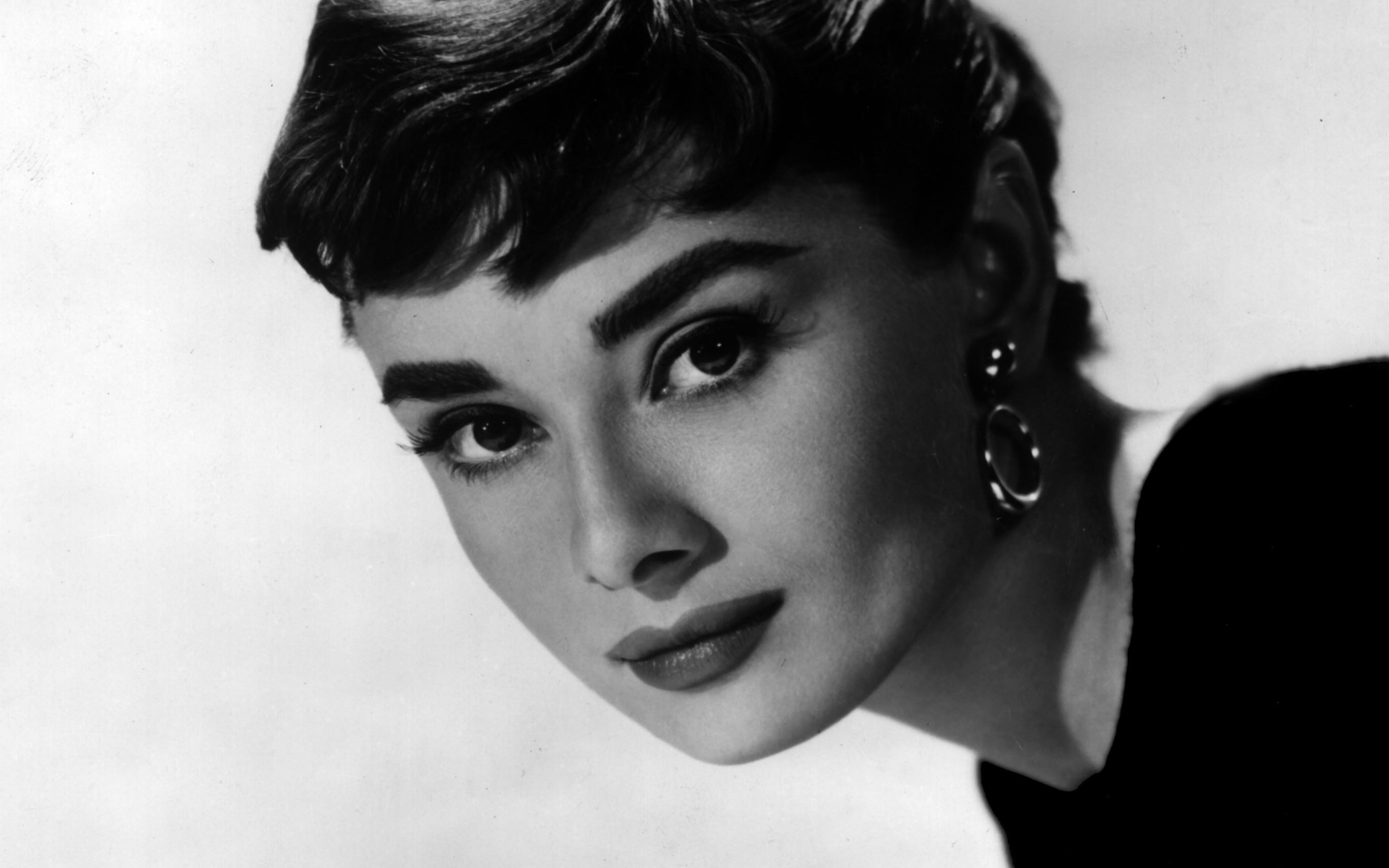
In the mid-1950s, the Hollywood publicity machine was desperate to manufacture a "blonde vs. brunette" war for the ages. On one side, you had the icy, Philadelphia-born socialite Grace Kelly. On the other, the gamine, European-bred Audrey Hepburn. It looked like the perfect setup for a lifelong feud.
Honestly, though? Most people get the Audrey Hepburn and Grace Kelly dynamic completely wrong.
People love a good catfight. They want to imagine these two legends throwing shade over Givenchy vs. Dior or fighting for the same Hitchcock scripts. But if you look at the actual history—the letters, the backstage moments, and the few times they were actually in the same room—you find something much more interesting. It wasn't a rivalry. It was a shared sense of being two "outsiders" in a town that didn't quite know where to put them.
That Famous Backstage Photo at the 1956 Oscars
You’ve seen the picture. It’s 1956. The RKO Pantages Theatre is buzzing. Audrey and Grace are standing in the wings, literally moments before they both walk out to present. They are draped in white silk and lace, looking like two versions of a royal dream.
Some people look at that photo and see tension. They point to Audrey’s slightly tilted head or Grace’s rigid posture. But the reality is far more mundane—and human. They were both nervous as hell.
Grace Kelly was about to present the Best Actor Oscar to Ernest Borgnine. More importantly, she was just weeks away from marrying Prince Rainier III of Monaco and leaving Hollywood forever. Audrey was there to hand out Best Picture.
Legendary photographer Allan Grant captured them together, and while the world wanted a "showdown," what he actually caught were two 26-year-old women (both born in 1929, by the way) basically huddling for warmth in the high-pressure cooker of the Academy Awards. Borgnine later famously joked that his Oscar was special because it was "touched by Grace Kelly," but for the two women, that night was a brief overlap in two very different trajectories.
Shared Leading Men and Different Vibes
It’s kinda wild how many leading men they shared. Both worked with the greats:
- Cary Grant (who famously said Audrey was his favorite co-star but also had incredible chemistry with Grace in To Catch a Thief)
- William Holden
- Gary Cooper
While they shared the same A-list partners, they were never really competing for the same roles. Grace was the "Hitchcock Blonde"—aloof, sophisticated, and surprisingly sensual under a cool exterior. Audrey was something else entirely. She broke the mold of the 1950s "curvy" star. She brought a European, intellectual fragility to the screen that was the total opposite of Grace’s American-royalty vibe.
Grace Kelly and Audrey Hepburn: The Real Connection
What most fans miss is that both women actually wanted to be ballerinas first. Audrey’s training in the Netherlands during the war—which literally saved her life through the Dutch resistance—gave her that signature swan-like neck and posture. Grace, despite her wealthy upbringing in Philly, also studied dance and worked as a model to pay her own way through the American Academy of Dramatic Arts.
They both understood the discipline of the "pose."
They also both fled Hollywood when they were at the absolute top. Grace, obviously, became a literal Princess. Audrey didn't become royalty by title, but she moved to Switzerland and mostly walked away from the grind to focus on her sons and, eventually, her massive humanitarian work with UNICEF.
They weren't fighting for the spotlight because, frankly, neither of them seemed to crave it as much as the studios wanted them to.
The Style Evolution
You can’t talk about these two without talking about the clothes. It’s basically illegal.
Grace Kelly was the patron saint of the "New Look." She made the Hermès bag (now the Kelly bag) a global obsession. She wore white gloves and pearls with a conviction that made them look like armor.
Audrey, meanwhile, was the muse. Her relationship with Hubert de Givenchy changed everything. While Grace was classic, Audrey was modern. Grace was the "perfect woman" of the 1950s; Audrey was the woman the 1960s were about to become.
What Really Happened in Europe
After Grace moved to Monaco, the "rivalry" talk died down in the press, but they did cross paths in the European social circuits. There was no drama. There were no snide remarks.
When you dig into the archives of that era, you find a mutual respect. They were the only two people who knew what it felt like to be that specific kind of icon. They were both women who used their immense privilege and fame for something bigger—whether it was Grace transforming a principality or Audrey traveling to famine-stricken regions in Ethiopia.
Grace’s life ended tragically in 1982. Audrey followed just over a decade later in 1993. Both left behind a void that Hollywood has never really been able to fill. We keep trying to find the "next Audrey" or the "new Grace," but the mold was broken.
How to Use Their Influence Today
If you’re looking to channel that Audrey Hepburn and Grace Kelly energy, it’s not just about wearing a trench coat or a pearl necklace. It’s about the "less is more" philosophy.
- Focus on Posture: Both women used their background in dance to command a room without saying a word.
- Quality Over Quantity: Grace didn't need twenty accessories; she needed one perfect bag. Audrey didn't need a new wardrobe for every film; she needed one perfect tailor (Givenchy).
- The Power of the Pivot: Both women knew when to walk away. They didn't let Hollywood define their entire existence.
Instead of looking for a rivalry that didn't exist, we should probably look at how they supported the idea of "class" as a form of self-respect rather than just a status symbol. They were two women born in the same year, who conquered the same town, and then had the guts to leave it on their own terms. That's the real story.
To truly understand the "Golden Age" aesthetic, start by watching Rear Window and Sabrina back-to-back. You’ll see the difference in their acting styles immediately—Grace is all about the gaze, while Audrey is all about the movement. Once you see the nuance, you'll realize they were never in competition. They were just two different ways of being legendary.