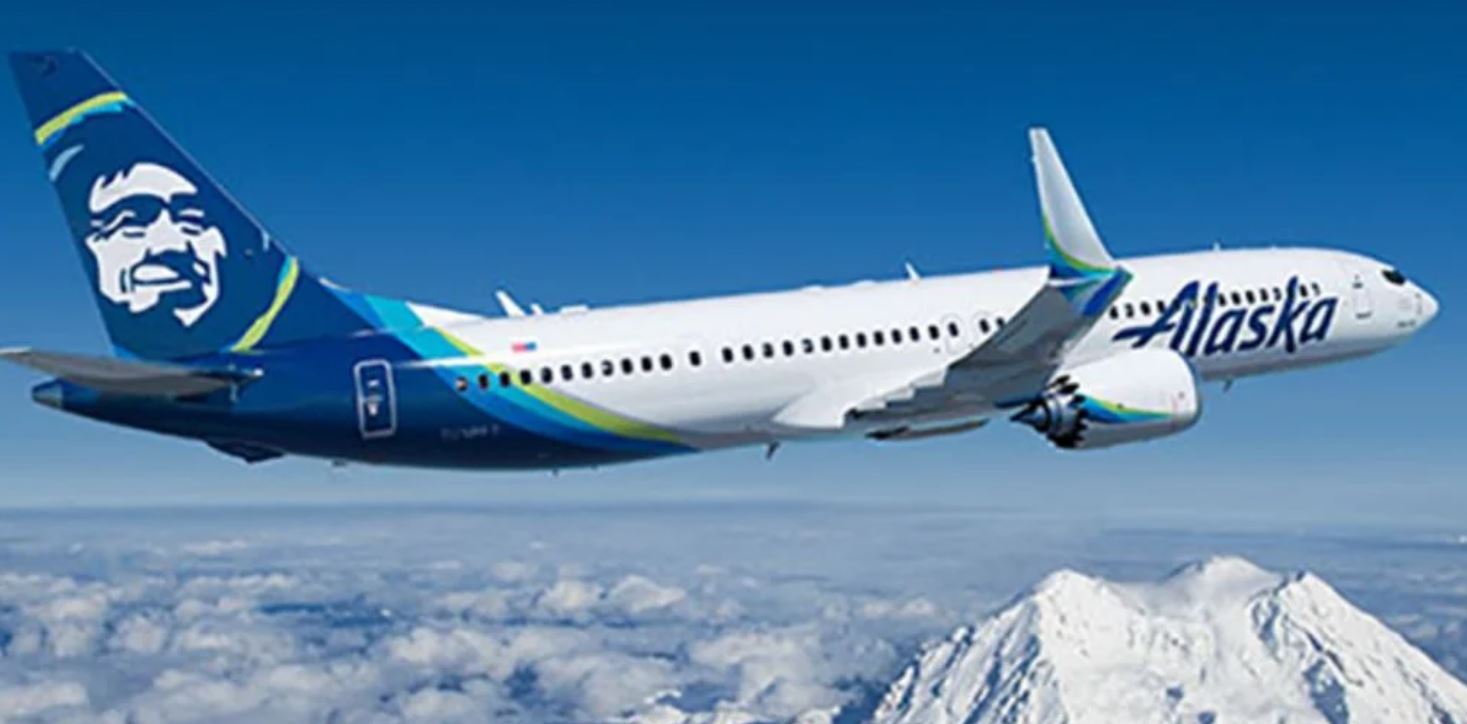
You’ve seen the video. A gaping hole in the side of a plane, insulation fluttering in the wind at 16,000 feet, and the terrifying sight of empty seats exposed to the night sky. When Alaska Airlines Flight 1282 lost its door plug in early 2024, it didn't just scare the people on board. It shook the entire aviation world. Honestly, it made a lot of people second-guess booking a flight with the "Eskimo" on the tail.
But here is the thing about the safety record of alaska airlines: it is weirdly good.
Even after that mid-air nightmare, safety rating agencies still rank Alaska as one of the best in the business. It sounds like a contradiction. How can an airline that literally had a piece fall off be "safe"? To understand that, you have to look past the viral clips and into the actual data of how planes are fixed, flown, and inspected in 2026.
The Truth About the Safety Record of Alaska Airlines
Most people don't realize that before the door plug incident, Alaska Airlines hadn't had a major fatal accident in over two decades. Their history is defined by a massive pivot that happened after a tragedy in 2000. That year, Flight 261 crashed off the coast of California because of a jackscrue failure. It was a dark moment. But it changed their DNA.
The airline transformed its maintenance culture into one of the most transparent in the industry. They started reporting things other airlines might try to brush off.
Why the 2024 Incident Was Different
When we talk about the door plug blowout, we’re mostly talking about a Boeing problem, not necessarily an Alaska one. The NTSB final report, which was dissected heavily throughout 2025, made it pretty clear. Four key bolts were missing. They weren't missing because Alaska forgot them; they were never properly reinstalled at the factory before the plane was even delivered.
Alaska was the one left holding the bag.
The airline’s response was actually what saved their reputation. They didn't wait for the FAA to tell them what to do. They grounded the entire MAX 9 fleet within hours. That is a massive financial hit. Most companies would hesitate, but they pulled the plug immediately.
Recent Rankings and Reality
It's 2026, and the dust has settled. If you look at the latest numbers from AirlineRatings.com, Alaska Airlines still sits in the Top 25 safest airlines globally. In fact, for 2026, they are often the only U.S. carrier to break into the top tier, frequently outperforming "The Big Three" (Delta, United, and American).
Why? Because "safe" doesn't mean "nothing ever goes wrong." In aviation, safety is measured by how you handle the things that do go wrong.
- Fleet Age: They keep a relatively young fleet, mostly Boeing 737s and Embraer 175s.
- Audit Scores: They consistently pass the IATA Operational Safety Audit (IOSA) with flying colors.
- Water Quality: Weirdly enough, a 2026 study even ranked them #3 for the cleanest drinking water in the sky.
What Most People Get Wrong About Airline Incidents
We tend to freak out over one big event while ignoring the "quiet" safety record. You've probably heard of a "tail strike" or a "blown tire." Alaska has had them. Every airline has.
In August 2023, an Alaska flight had a landing gear issue in Santa Ana during a storm. The gear actually punched through the wing. It looked terrible in photos. But everyone walked off the plane. That is the system working. The aircraft is designed to take that kind of damage and keep the cabin intact.
The safety record of alaska airlines is actually bolstered by these "non-events." When a pilot decides to divert because of a weird smell in the cockpit or a cracked windshield—both of which happened a few times in 2025—that is a safety win. It means the "Safety First" culture isn't just a poster in the breakroom. It's a pilot willing to cost the company money to stay on the ground.
How Alaska Compares to Other U.S. Carriers
If you're nervous, you might think about switching to Delta or United. Delta is legendary for its maintenance. They actually do work for other airlines. But United has had its own string of high-profile issues recently, including tires falling off and runway excursions.
When you compare them side-by-side in 2026, Alaska's operational discipline is remarkably tight. Their merger with Hawaiian Airlines, which finalized recently, has also integrated some of the best long-haul safety protocols into their system.
The Boeing Factor
You can't talk about Alaska without talking about Boeing. Alaska is an "all-Boeing" mainline fleet. When Boeing has a bad day, Alaska has a bad day.
Since the door plug event, Alaska has stationed its own inspectors inside Boeing’s factories. Think about that. They don't trust the manufacturer to grade its own homework anymore. They have their own guys checking the bolts on the 737 production line in Renton. That level of obsession is exactly what you want as a passenger.
Actionable Insights for Nervous Flyers
If you are looking at a ticket and feeling that "MAX" anxiety, here is how to handle it like a pro.
- Check the Aircraft Type: If you’re still spooked by the MAX 9, you can see the aircraft type during booking. Alaska is very transparent about this. Most of their fleet consists of the older, proven 737-800s and 900s.
- Look at the Route: Alaska excels in the Pacific Northwest. They fly into some of the most difficult airports in the world, like Juneau, Alaska, where the weather is a constant nightmare. Their pilots are some of the most highly trained in the industry for "special qualification" airports.
- Read the "Recent Incidents": Don't just look at the 2024 headlines. Look at 2025 and 2026. You’ll see a lot of "returned to gate as a precaution." That’s a good sign. It means the sensors are working and the crew is being cautious.
- Trust the Audit: Look for the IOSA certification. Alaska has held this for years. It’s an international gold standard that looks at over 900 different safety standards.
The safety record of alaska airlines isn't perfect, because no airline is. But in the grand scheme of global aviation, they are consistently in the top 1%. They’ve learned the hard way that cutting corners isn't an option. Today, they operate with a level of scrutiny—both from the government and from themselves—that makes them one of the most reliable ways to get from point A to point B.
Moving forward, the best thing you can do is stay informed. Check the tail number on a site like FlightRadar24 if you want to see the history of the specific plane you’re boarding. Most of the time, you’ll find that the "scary" plane has been flying six legs a day for months without so much as a flickering lightbulb.
To stay updated on current flight safety, you can monitor the FAA’s preliminary accident and incident reports which are updated weekly. You can also check the NTSB’s public database for any ongoing investigations into specific flight numbers. Knowing the difference between a manufacturing defect and an operational failure will help you make a much more rational choice next time you're at the checkout screen.