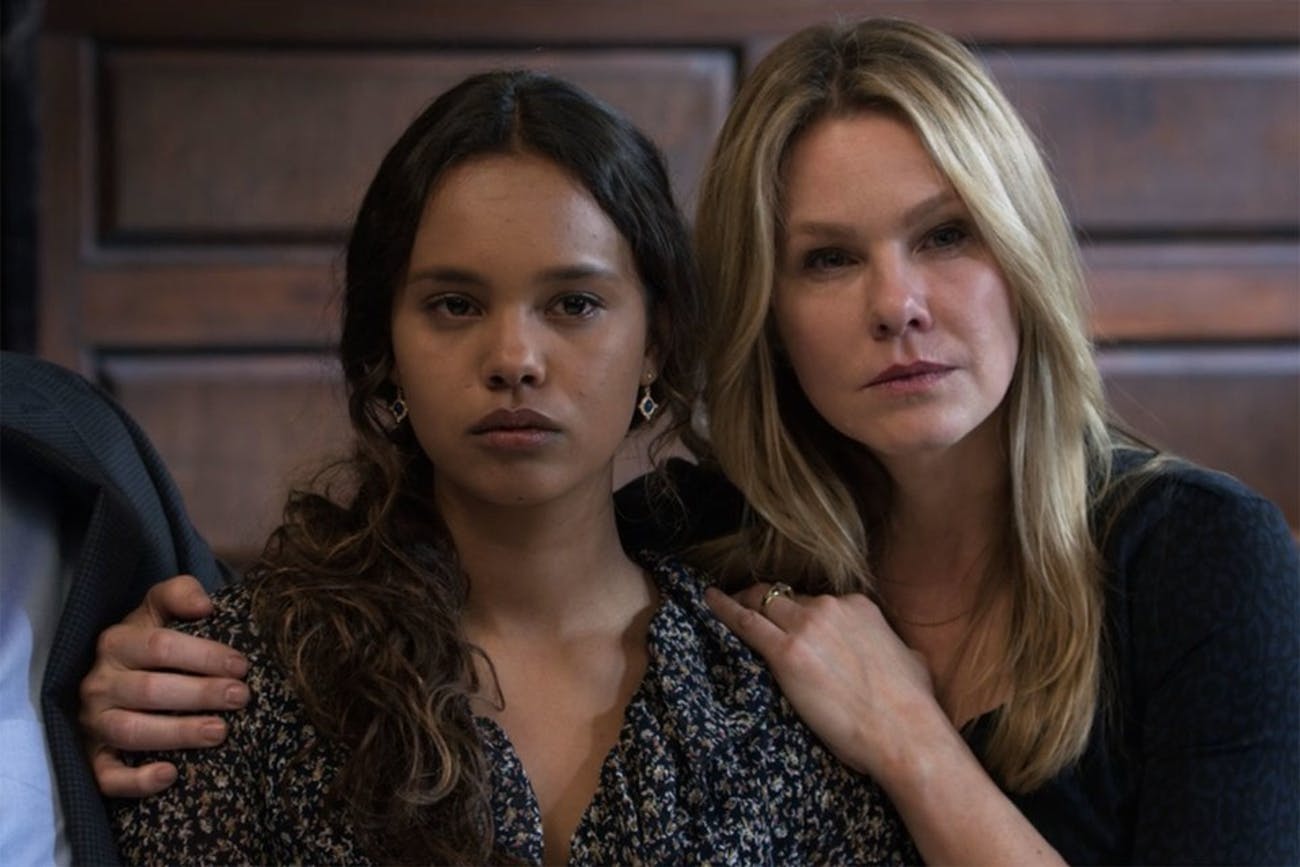
Most people who binged the Netflix adaptation of Jay Asher's 13 Reasons Why have a specific image of Hannah Baker’s social circle. They think of Jessica Davis and Alex Standall. They remember the fallout at Monet’s. But if you actually go back and crack open the original 2007 novel, there is a massive, gaping hole in the narrative. Her name was Kat. She was Hannah’s best friend. And honestly, the way the show handled 13 reasons why kat is one of the most interesting case studies in how TV adaptations fundamentally change the DNA of a story.
Kat wasn't just some background extra. In the book, she’s the one who lived next door. She was the buffer. When Kat moved away at the start of the story, it created the vacuum that allowed the rest of the "reasons" to rush in. Without Kat leaving, there is no story.
Who exactly was Kat and why did she vanish?
If you only watched the show, you might remember a brief flashback in the first season. Kat, played by Ajiona Alexus, appears as Hannah’s bubbly, supportive friend who moves away right before the "List" comes out. But the show basically treats her like a footnote. In the book, she’s a lifeline.
She was the one who actually liked Clay Jensen first.
Think about that for a second. The entire "will they, won't they" tension between Clay and Hannah was complicated by the fact that Kat had a crush on him. It adds a layer of guilt and social complexity that the show mostly traded for more dramatic, high-stakes trauma. Kat was the person Hannah could actually talk to without the weight of rumors. When Kat moved, Hannah lost her "safe" person. It's a classic case of the "inciting incident" being a person rather than an event.
The butterfly effect of a missing character
The showrunners at Netflix had a problem. They needed to stretch a 300-page book into multiple seasons of prestige television. To do that, they had to make the world feel bigger, but paradoxically, they made Hannah's world feel more isolated by sidelining Kat.
- Social Protection: In the novel, Kat is described as being "tougher" than Hannah. She navigated the social waters of Liberty High with a bit more grit.
- The Move: Kat’s family moved to a different state. It wasn't a choice. It was a mechanical plot device that left Hannah vulnerable.
- The Justin Foley Connection: In the early chapters, Kat is the one who encourages Hannah to pursue Justin, unaware of how toxic that would become.
It’s kinda wild when you think about it. If Kat stays, Bryce Walker probably never happens. Or at least, he doesn't happen the same way. Kat would have been there to see the red flags that Hannah, in her loneliness, tried to ignore.
Why 13 reasons why kat matters for the adaptation's tone
The show opted for a much darker, more visceral tone than the book. By removing the one healthy female friendship Hannah had, the producers heightened the sense of "everyone is out to get her." It’s a common trope in teen dramas. You isolate the protagonist so the audience feels their claustrophobia.
But there’s a cost.
By making Kat a peripheral character, we lost the version of Hannah that was capable of having a normal, functioning friendship. We only see Hannah through the lens of her trauma and her enemies. Kat represented the "before" times. She was the evidence that Hannah wasn't inherently "broken" or social radioactive—she was just a girl who lost her support system.
The reality of the "First Reason"
In the book, the sequence of events is tightly wound. Justin Foley is the first tape, sure, but Kat is the shadow hanging over that tape. She was the one who was supposed to be there that night.
Actually, the show did one thing right by keeping Kat in the flashback of the party. It showed that briefly, life was okay. But then she’s gone. And the show never really checks back in with her in a meaningful way. In a real-life scenario, a best friend who moved away would be blowing up your phone the second they heard things were going south. The show’s decision to keep her at a distance makes the plot work, but it feels a bit hollow if you’re a fan of the source material.
The "Kat" archetype in teen grief
Jay Asher wrote Kat as a symbol of the transition from childhood to the harsh realities of high school. We all have that friend. The one who moves away in 8th or 9th grade and suddenly your entire social standing shifts.
For Hannah, Kat’s departure was the first domino.
It wasn’t a malicious act, which makes it even more tragic. Most of the other reasons on the tapes involve people being cruel, indifferent, or criminal. Kat's "reason" was just life happening. Sometimes the thing that breaks us isn't a villain; it's just the absence of a friend.
Comparing the Book Kat vs. TV Kat
If we’re being honest, the TV version of Kat felt like an afterthought.
| Feature | Novel Kat | TV Series Kat |
|---|---|---|
| Role | Main confidante and neighbor | Flashback friend |
| Personality | Protective, blunt, outgoing | Generally nice, upbeat |
| Impact | Her absence drives the plot | Her absence is rarely mentioned |
| Relationship to Clay | Former crush/good friend | Casual acquaintance |
The show prioritized the mystery of the tapes over the internal logic of Hannah’s past. If Kat was so important, why didn't she have a tape? Well, because she didn't do anything wrong. But in a story about why someone disappears, the people who left through no fault of their own are just as important as the people who pushed.
What this teaches us about storytelling
When you analyze 13 reasons why kat, you see the friction between literature and television. Books allow for internal monologues about "the friend who used to live next door." TV needs active conflict. Kat moving away is a "passive" conflict. It’s sad, but it doesn't make for a 60-minute episode filled with cliffhangers.
So they pushed her to the side.
They replaced the quiet ache of a missing friend with the loud, screaming drama of school hallway confrontations. It changed the story from a character study about loneliness into a thriller about high school secrets.
The lingering questions about Kat’s reaction
One thing that always bothered me—and a lot of fans on Reddit and old Tumblr forums—is what happened after the tapes went public. In the world of the show, did Kat find out? Did she come back for the funeral?
The show focuses so much on the people on the tapes that it forgets the people who actually loved Hannah without conditions. Kat was one of them. By not including her in the "present day" timeline of the show, the writers missed an opportunity to show a different kind of grief—the grief of the friend who "got out" and left their person behind.
It’s a specific type of survivor's guilt.
"If I hadn't moved, she'd still be here."
That’s a heavy narrative thread that was left completely dangling. Instead, we got more scenes of Bryce being a monster. Which, fine, he’s the antagonist. But Kat could have been the heart.
Why you should care about the "Forgotten" characters
In any major franchise, there’s always a character that gets "Chuck Cunningham-ed"—they just sort of walk upstairs and never come back. Kat is that character for the 13RW universe.
Understanding her role helps you see the flaws in the show's logic. The show wanted us to believe that Hannah had no one. But the existence of Kat proves she did have someone. She just lost her. There is a massive difference between never being loved and losing the person who loved you. The latter is arguably much more painful and explains Hannah’s downward spiral much more effectively than just "mean kids at school."
Actionable Insights for Fans and Writers
If you're looking back at the series or the book, here’s how to frame the Kat situation:
- Read the first three chapters of the book: Even if you've seen the show, the way Kat is introduced gives you a completely different perspective on Clay and Hannah's initial "awkwardness."
- Acknowledge the "Silence" as a factor: When discussing mental health themes in the show, don't just look at the bullying. Look at the loss of positive influencers.
- Adaptation Lessons: If you’re a writer, look at Kat as a lesson in what not to cut. Sometimes the "boring" good friend is the anchor that makes the tragedy feel real rather than melodramatic.
Ultimately, Kat remains a ghost in the machine of the Netflix series. She’s a reminder of the book’s more grounded, intimate roots. While the show went on to deal with massive social issues and controversial graphic scenes, the story of a girl who just missed her best friend was largely left on the cutting room floor. And honestly? That’s probably the biggest "reason" of all.
Go back and look at those early Season 1 scenes again. Look at how Hannah talks to Kat. It’s the only time in the whole series she looks genuinely relaxed. That’s not an accident. That’s the Kat effect. It’s a shame the show didn't think that was worth keeping around for the long haul.